
The First BMW Car Wasn’t Even a BMW: The Story of the BMW 3/15

BMW is one of the most renowned luxury automobile manufacturers in the world, known for producing high-performance vehicles that blend style, innovation, and engineering excellence. However, what many people don’t know is that the first BMW-branded car wasn’t originally designed or built by BMW at all. Instead, it was a rebadged version of another car, the Dixi 3/15, which itself was based on the British Austin 7. This fascinating chapter in BMW’s history shows how the company transitioned from making aircraft engines to becoming a major player in the automotive industry.
BMW’s Origins: From Aircraft Engines to Automobiles
BMW (Bayerische Motoren Werke) was founded in 1916 as a manufacturer of aircraft engines. The company played a crucial role in producing high-performance engines for German aircraft during World War I. However, after the war, the Treaty of Versailles (1919) prohibited Germany from producing military aircraft, forcing BMW to shift its focus. Over the next few years, BMW explored new industries, including motorcycle production and railway brakes, before eventually entering the automobile market.
The BMW 3/15: A Rebadged Dixi
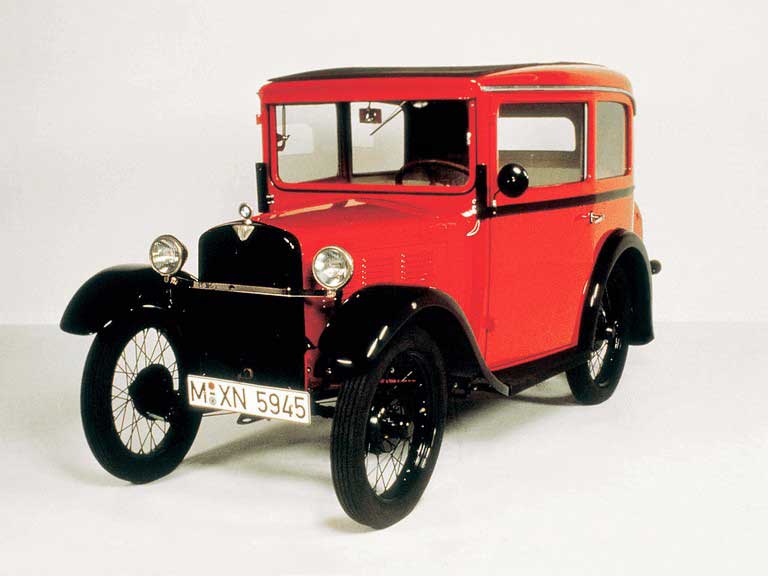
BMW’s first official car, the BMW 3/15, was not originally designed by BMW. Instead, it was based on the Dixi 3/15, a car that BMW acquired when it took over the Fahrzeugfabrik Eisenach company in 1928. The Dixi itself was a licensed copy of the British Austin 7, a small, affordable car produced by the Austin Motor Company.
When BMW acquired the Eisenach factory, it also inherited the rights to manufacture the Dixi under its own name. Rather than developing a brand-new car from scratch, BMW rebranded the Dixi as the BMW 3/15, marking the company’s official entry into the automobile industry.
How BMW Entered the Car Industry
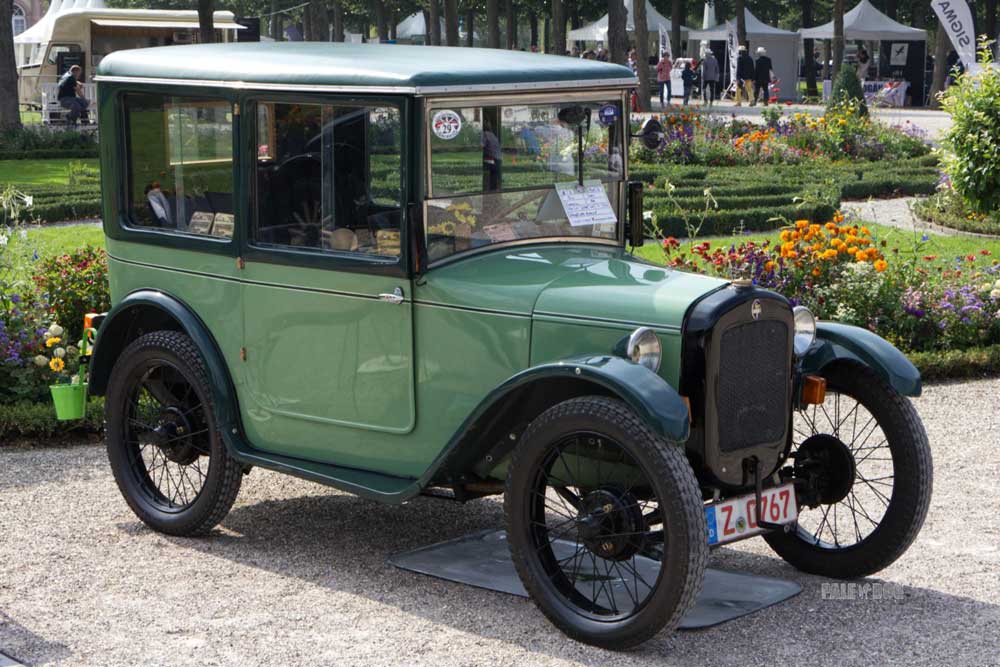
BMW’s decision to acquire Fahrzeugfabrik Eisenach was strategic. At the time, the German automobile market was growing, and BMW recognized an opportunity to enter the industry without having to develop a car from the ground up. The Dixi 3/15 was already a well-established, reliable model, making it an ideal starting point for BMW’s automotive ambitions.
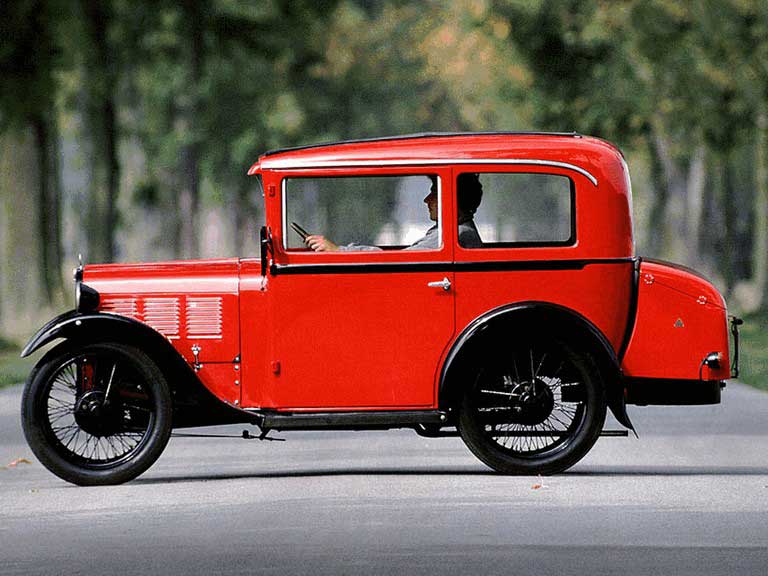
In 1929, BMW officially launched the BMW 3/15 DA-1, which was essentially an improved version of the Dixi with slight modifications. The car was a compact, two-door model that appealed to middle-class buyers looking for an affordable and fuel-efficient vehicle.
The BMW 3/15’s Design and Performance
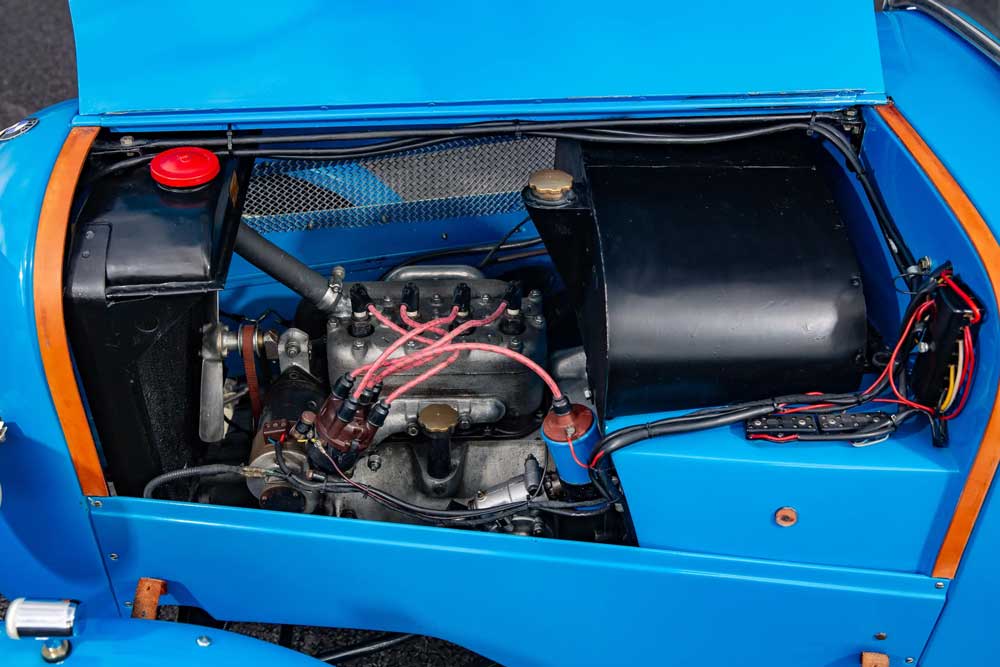
While the BMW 3/15 may not have been an original BMW design, it still laid the foundation for the brand’s future. Some of its key features included:
- Engine: 747cc, 4-cylinder engine producing 15 horsepower
- Top Speed: Approximately 75 km/h (47 mph)
- Transmission: 3-speed manual gearbox
- Body Styles: Available as a roadster, sedan, or delivery van
- Weight: Around 400 kg (880 lbs)
The car was praised for its simple yet effective engineering, making it a popular choice for everyday driving. BMW continued to refine the model with new variations, such as the 3/15 DA-2 and 3/15 DA-3 Wartburg, which introduced sportier and more advanced features.
Legacy of the BMW 3/15
Although the BMW 3/15 was essentially a rebadged Dixi, it played a crucial role in establishing BMW’s presence in the automobile industry. It gave BMW the necessary experience in car manufacturing and positioned the company for future growth. By the early 1930s, BMW had begun developing its own cars, leading to models like the BMW 303, which introduced the brand’s iconic kidney grille design.
The Eisenach factory continued to serve as BMW’s primary automobile production facility for several years, helping the company transition from assembling licensed cars to creating original, high-performance vehicles.
How It Paved the Way for Future BMW Cars
The BMW 3/15 may not have been the most powerful or luxurious car, but it set the stage for what BMW would become. Some key impacts of the model include:
- It helped BMW gain experience in car production, allowing the company to refine its design and manufacturing processes.
- It introduced BMW to a broader market, making the brand recognizable among automobile buyers.
- It established BMW’s reputation for reliable engineering, a trait that would later define its luxury and performance vehicles.
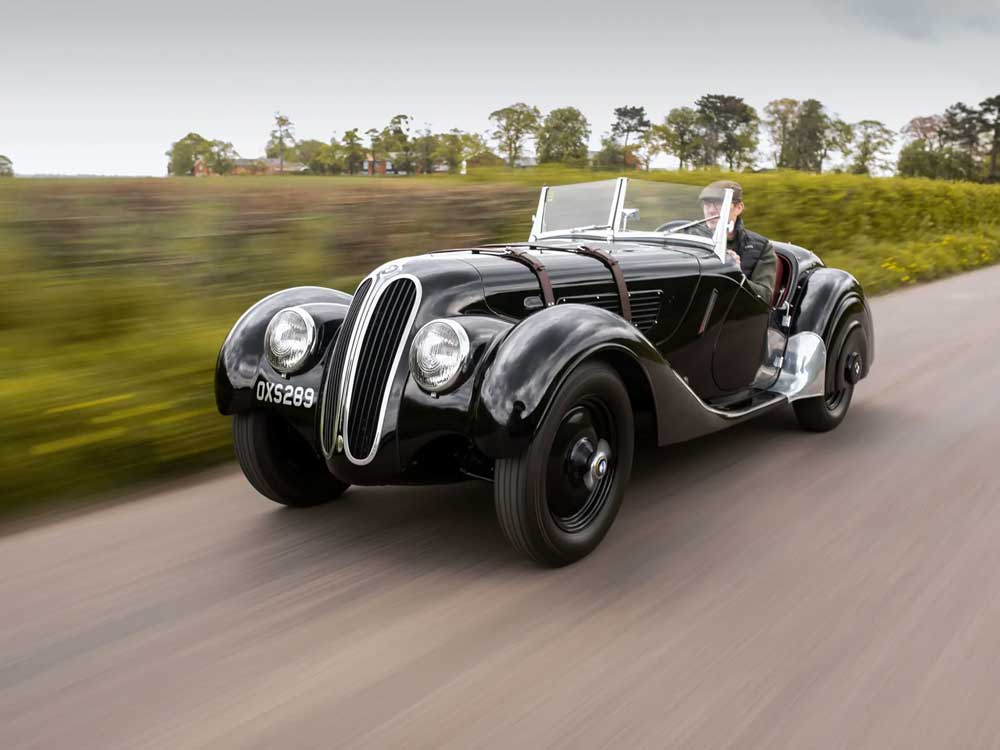
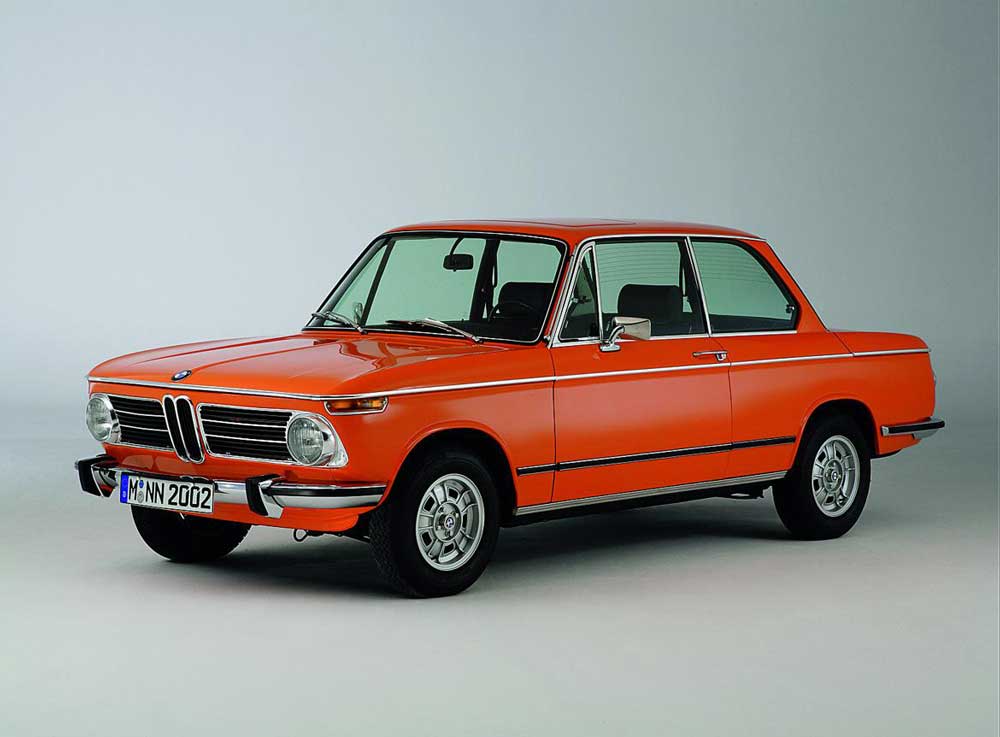
Without the success of the BMW 3/15, the company might never have evolved into the automotive powerhouse it is today. This early experiment in car production laid the groundwork for iconic BMW models like the 328 Roadster, 2002, and eventually the modern M-series performance cars.
Conclusion
The story of the BMW 3/15 is a reminder that even the greatest companies start somewhere. BMW’s journey from aircraft engines to motorcycles and eventually automobiles was not an easy one, but the acquisition of the Dixi provided the perfect stepping stone. While the first BMW car may not have been a true BMW design, it marked the beginning of an automotive legacy that continues to thrive today.
From humble beginnings with a rebadged Austin 7 to becoming one of the world’s leading luxury car manufacturers, BMW’s rise is a testament to innovation, adaptation, and engineering excellence. The BMW 3/15 may not have been the flashiest car, but it played an undeniable role in shaping the future of the brand.
References
- Norbye, J. (1984). BMW – Bavaria’s Driving Machines. Automobile Heritage Publishing.
- Pritchard, A. (2016). The History of BMW Automobiles. Auto Publishing.
- Wikipedia Contributors. (2024). BMW 3/15. Wikipedia, The Free Encyclopedia. Available at: https://en.wikipedia.org/wiki/BMW_3/15
- Wikipedia Contributors. (2024). History of BMW. Wikipedia, The Free Encyclopedia. Available at: https://en.wikipedia.org/wiki/History_of_BMW

Introduction Motorcycling is known for its sense of freedom, excitement, and adventure. However, safety and functionality have always been at…

Introduction The automotive industry continuously evolves, but some of the most exciting designs come from merging past inspirations with future…