
Christian Dior’s New Look Changed Post-WWII Fashions
Introduction: The Revolutionary “New Look”
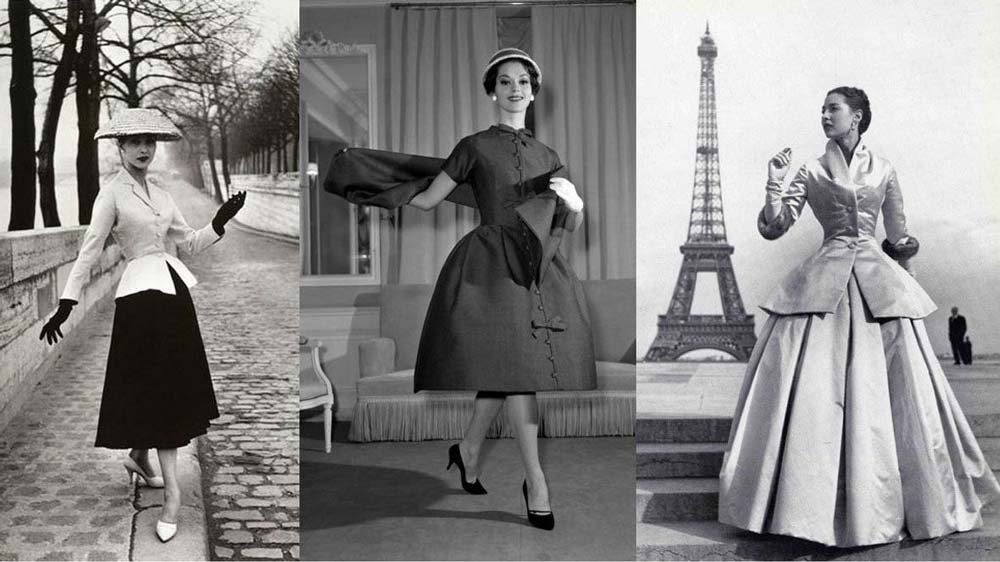
In 1947, Christian Dior introduced a fashion collection that would forever change the course of clothing design and define post-WWII fashion: the “New Look.” The collection, which featured voluminous skirts, cinched waists, and feminine silhouettes, was a stark contrast to the austere, utilitarian clothing that had dominated during the war. Dior’s designs redefined femininity, providing women with a glamorous, luxurious alternative that was both elegant and modern.
In this blog post, we will explore how Christian Dior’s “New Look” revolutionized fashion, its key elements, and the lasting impact it has had on clothing design, social norms, and culture in the years since its debut.
Christian Dior: The Man Behind the Vision
Christian Dior (1905–1957) was a French fashion designer who, before becoming a household name, had worked for several prominent fashion houses. Dior’s early career was marked by a variety of artistic roles, including working as an art dealer and sketching for fashion houses. However, it was in 1946, with the backing of textile magnate Marcel Boussac, that Dior founded his own fashion house and began creating his groundbreaking designs.
Dior’s understanding of femininity, craftsmanship, and a desire to restore glamour to fashion after the hardships of World War II were central to his success. His designs not only reflected the mood of the time but also responded to the need for optimism and luxury that many women sought as the war ended.
The “New Look” Unveiled: A Bold Departure from Wartime Fashion
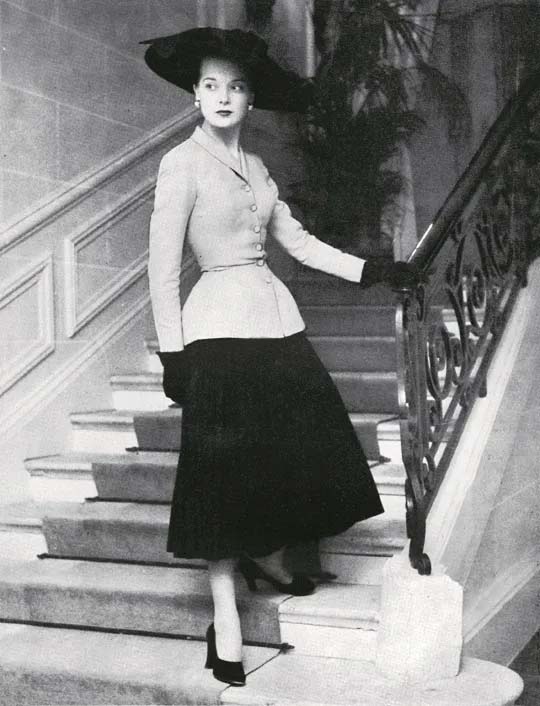
When Dior presented his first collection in Paris in February 1947, the world of fashion was forever changed. The collection, which became known as the “New Look,” was a dramatic departure from the practical and constrained clothing styles worn during the war. During WWII, fabric rationing and a focus on utility had led to clothing styles that were simple, straight-lined, and often androgynous. Skirts were shorter, and waistlines were often eliminated altogether, reflecting the need for women to be both practical and resourceful during difficult times.
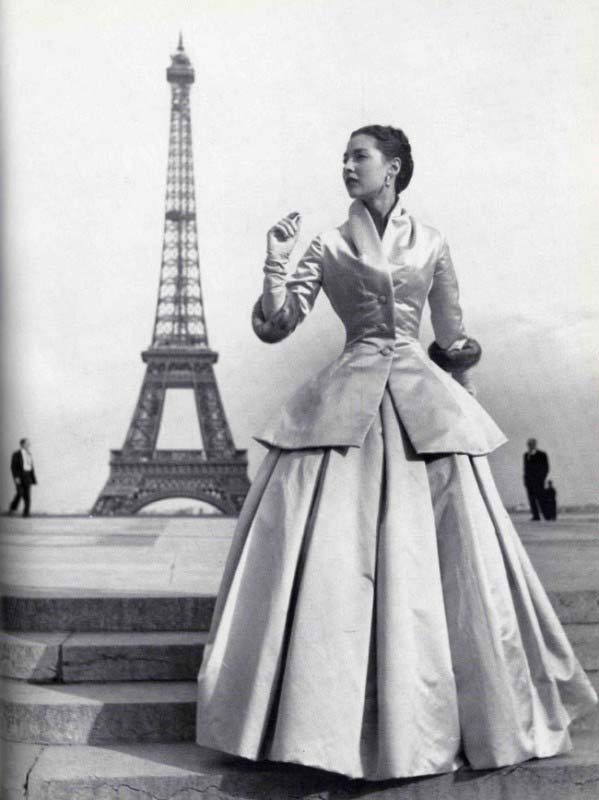
In contrast, Dior’s “New Look” embraced luxury, femininity, and extravagance. The designs featured exaggerated, full skirts that were often longer than before, tight corseted waists, and soft, rounded shoulders. His garments were designed to emphasize a woman’s curves, using large amounts of fabric and intricate tailoring that were made possible by the lifting of fabric rationing after the war. Dior’s collection was both a rejection of wartime austerity and a celebration of a return to more glamorous, opulent fashion.
The Key Elements of Dior’s “New Look”
The “New Look” introduced several key elements that quickly became its defining characteristics:
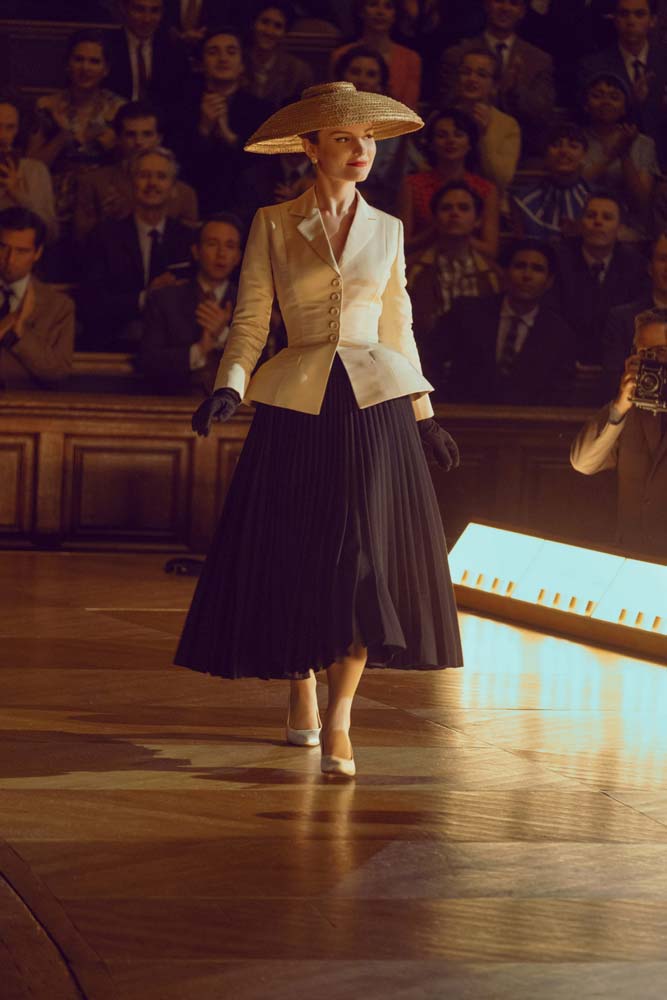
- Full Skirts and Flared Silhouettes: Dior’s designs often featured skirts that were full and voluminous, requiring up to 20 yards of fabric for a single garment. The fullness of the skirts created a dramatic, feminine shape that contrasted sharply with the narrower, more streamlined silhouettes of wartime fashion.
- Narrow, Cinched Waists: At the heart of Dior’s designs was the idea of the hourglass figure. By tightly cinching the waist with a corset-like belt or seam, Dior accentuated the natural curves of the female body, creating a silhouette that was both elegant and flattering.
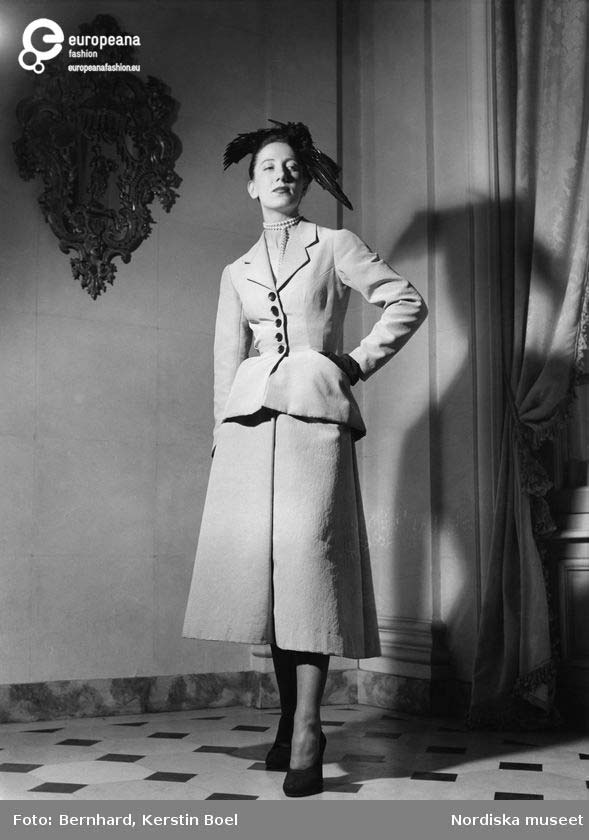
- Soft Shoulders and Rounded Hips: Dior’s collection also included softer shoulder lines and rounded, sculpted hips, adding to the feminine shape that was so central to his designs. The focus was on creating a silhouette that exuded grace, femininity, and sophistication.
- Luxurious Fabrics and Fine Tailoring: Dior’s garments were made from luxurious fabrics like silk, taffeta, and wool, often adorned with intricate details and fine tailoring. These materials and designs were a sharp contrast to the more utilitarian fabrics used during the war.
The Impact of the “New Look” on Post-WWII Fashion
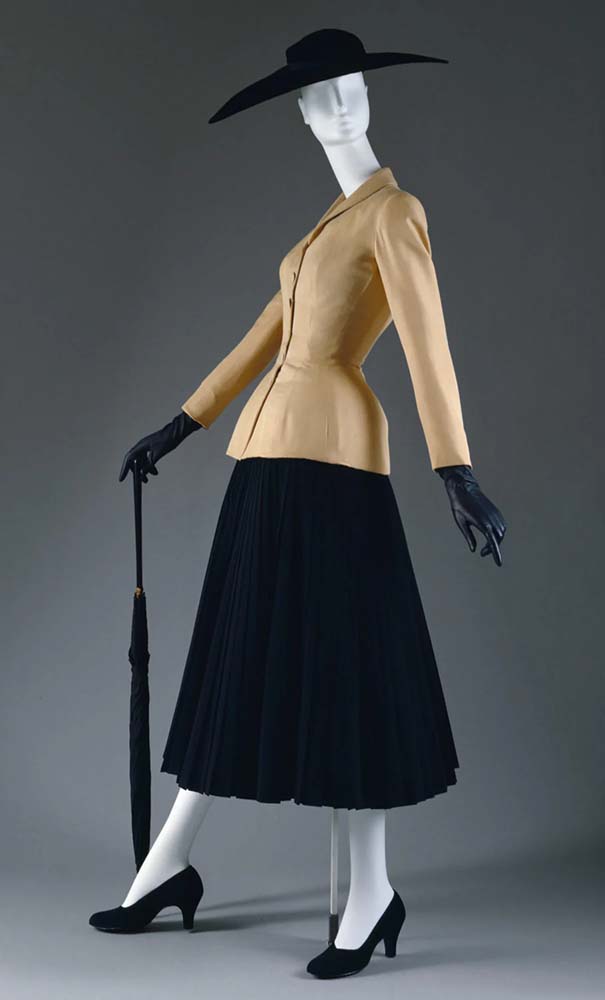
Dior’s “New Look” had an immediate and profound impact on the fashion world. The collection not only introduced a new shape and style for women’s clothing but also helped to reestablish Paris as the global capital of fashion. Parisian haute couture was revived, and the luxury fashion industry began to thrive once again, as Dior’s collection captured the imagination of women around the world.
The “New Look” was embraced by women of various social classes, although it was most popular among the elite who could afford to wear haute couture. However, its influence eventually trickled down to more affordable fashion, inspiring designers in ready-to-wear collections and influencing the broader fashion industry.
In addition, the “New Look” helped shape the postwar ideal of femininity. After the hardship of wartime life, many women sought to reclaim a sense of glamour and beauty, and Dior’s designs offered just that. His creations became a symbol of postwar optimism, luxury, and a return to traditional ideas of elegance and sophistication.
Cultural and Social Reactions to Dior’s Innovation
While the “New Look” was celebrated by many, it also sparked some controversy. Critics of the time argued that the emphasis on feminine curves and extravagant designs was a step backward for women’s liberation, which had gained ground during the war. Women had entered the workforce in large numbers during the conflict, and some felt that the “New Look” was a return to the restrictive and traditional ideals of femininity that confined women to domestic roles.
Despite this, the “New Look” proved to be a lasting and powerful force in fashion. It not only reshaped the way women dressed but also influenced societal attitudes toward femininity, luxury, and beauty. Dior’s designs were a symbol of the postwar rebirth of Paris and the return to the ideals of refinement and elegance.
Dior’s Legacy: Shaping Fashion for Decades
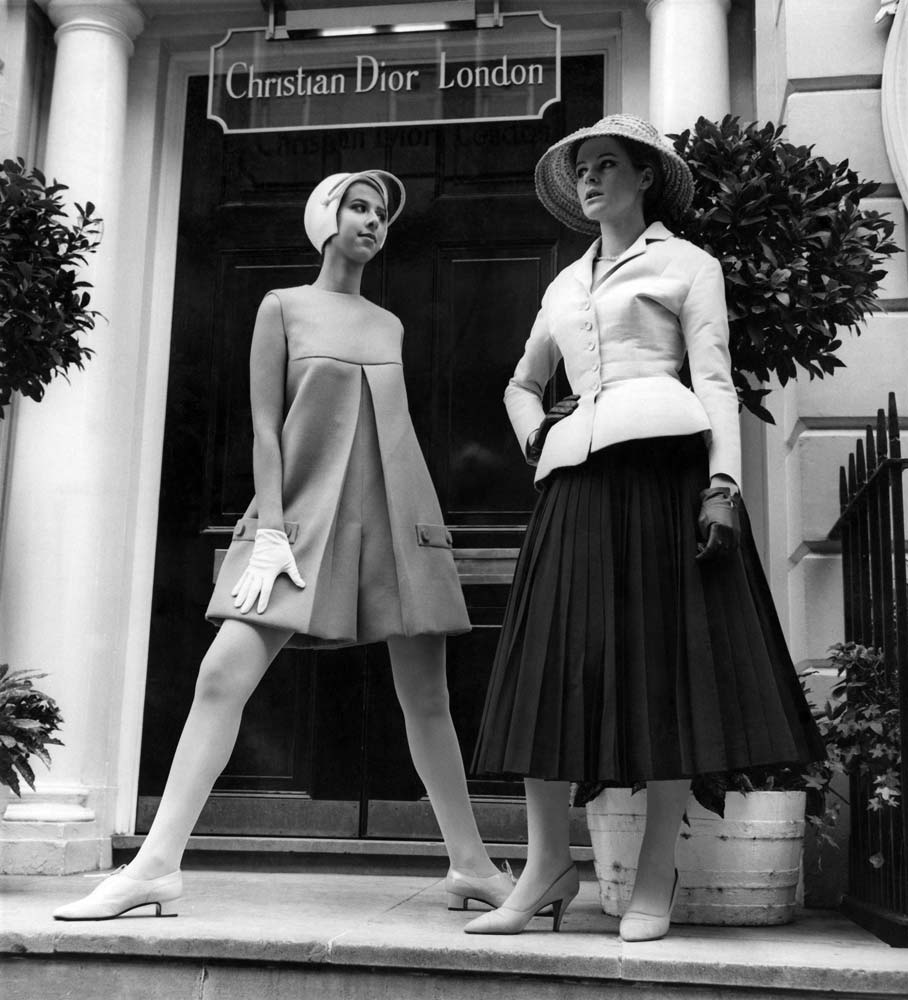
Christian Dior’s “New Look” had a lasting influence on fashion that extended far beyond its debut in 1947. Dior’s ability to blend modernity with tradition set the stage for future designers to experiment with shapes, silhouettes, and new materials, all while maintaining a focus on the feminine form.
Dior’s influence can still be seen today, both in haute couture collections and in the broader fashion industry. His legacy lives on in the way designers approach femininity and elegance. The “New Look” continues to inspire collections and remains an enduring symbol of the glamour and luxury that Dior sought to encapsulate.
Conclusion: The Enduring Influence of Dior’s “New Look”
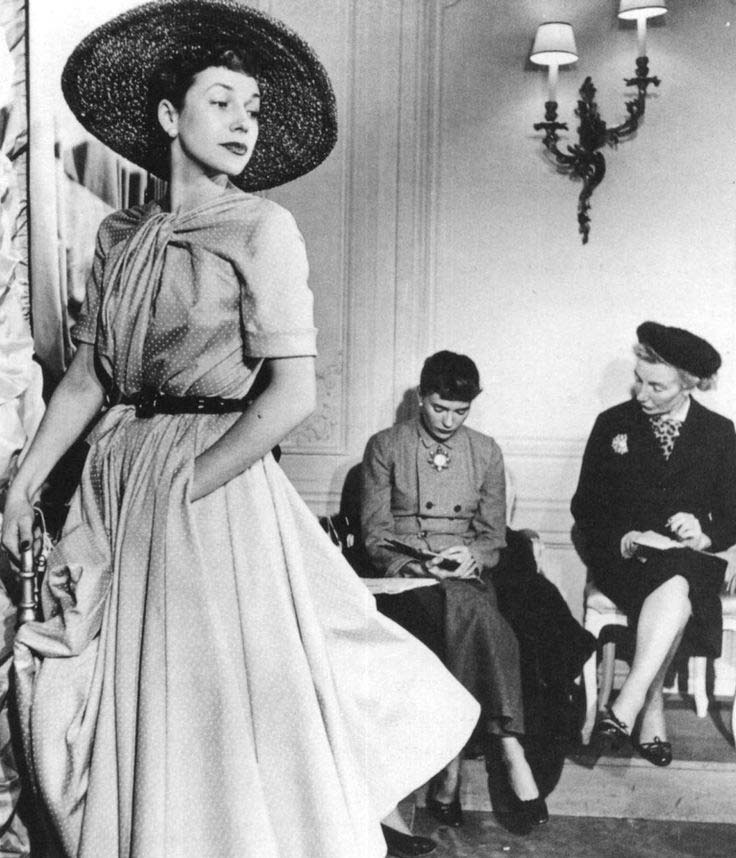
Christian Dior’s “New Look” was a revolutionary moment in the history of fashion. It brought luxury, elegance, and glamour back into women’s wardrobes after the austerity of World War II, and it reshaped the way women thought about their clothing. By emphasizing feminine curves, luxurious fabrics, and fine tailoring, Dior created a new standard for postwar fashion, one that continues to influence designers today.
The “New Look” was not just about clothing—it represented a cultural shift and a return to a sense of optimism and beauty. Its legacy endures, making Christian Dior’s contribution to fashion one of the most significant in history.
References
- Dior, C. (1957) Dior by Dior: The Autobiography of Christian Dior. New York: Rizzoli.
- McColl, S. (2015) Fashion After the War: The Impact of the “New Look”. London: HarperCollins.
- Laver, J. (2002) Christian Dior: A Study of Post-War Fashion. New York: Thames & Hudson.
- Fogg, R. (2009) The “New Look”: Rebirth of Femininity in the Postwar Era. Journal of Fashion History, 18(2), 34-47.