
Luxurious and Tactile Finishes: Elevating Packaging Design with Texture and Sensory Appeal

Introduction:
In the world of packaging, it’s no longer enough for a product to simply look good—it needs to feel good, too. Luxurious and tactile finishes in packaging design are becoming a major trend as brands seek to create memorable, sensory experiences that stand out on store shelves and resonate with consumers. These finishes go beyond just aesthetics, offering a tactile dimension that engages the senses, making the act of unboxing or holding the product a more immersive and luxurious experience.
This trend focuses on using high-quality materials and unique textures that evoke a sense of luxury, exclusivity, and craftsmanship. From soft-touch finishes and embossed details to foil stamping and tactile printing, luxurious and tactile finishes enhance the emotional connection consumers have with the product. In this blog post, we’ll explore how tactile finishes are transforming packaging design and why they’re so effective in elevating the consumer experience.
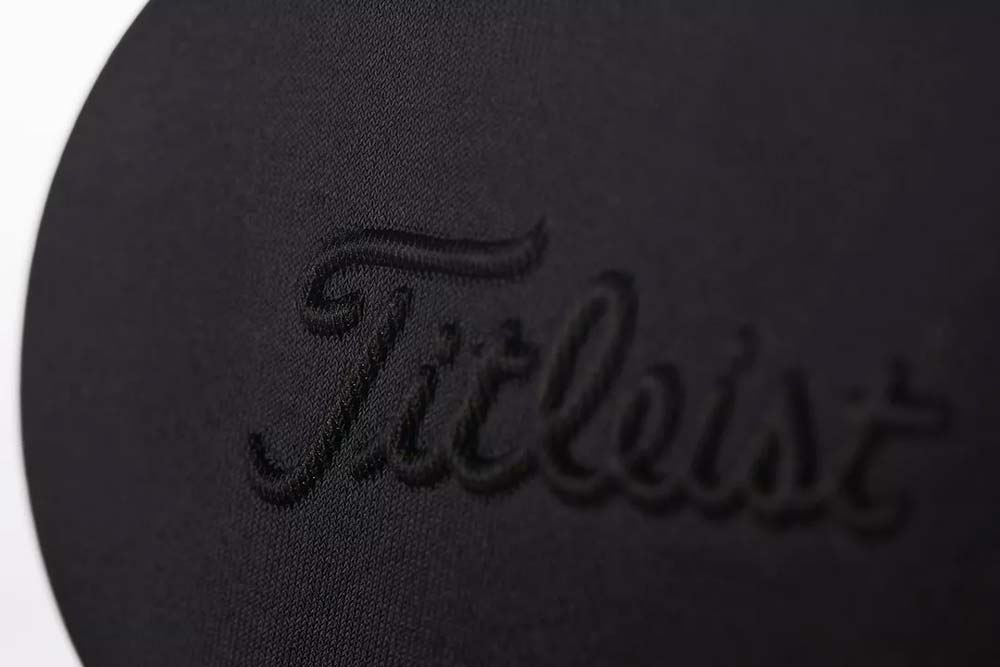
What Are Luxurious and Tactile Finishes?
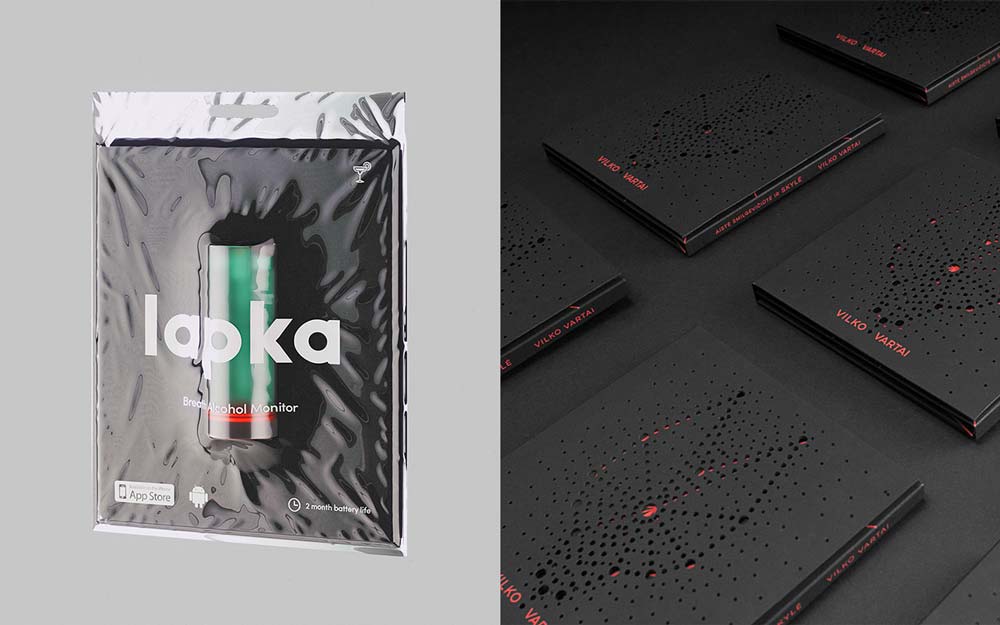
- Luxurious Finishes: Luxurious finishes refer to the use of premium materials and design techniques that create an elevated, high-end look and feel. These finishes often evoke a sense of exclusivity and quality. Examples include embossed or debossed logos, foil stamping, spot UV coating, and matte or gloss varnishes. The aim is to make the packaging visually stunning and reflective of the product’s premium status.
- Tactile Finishes: Tactile finishes engage the sense of touch by adding texture and dimension to packaging. These finishes make the packaging feel more substantial and provide a sensory experience that complements the visual design. Tactile finishes can include soft-touch coatings, textured papers, embossed or debossed patterns, raised elements, and even unusual textures that create a distinct, memorable feeling when the consumer interacts with the packaging.
Together, luxurious and tactile finishes combine visual appeal with a sensory, hands-on experience, adding depth and sophistication to packaging designs.
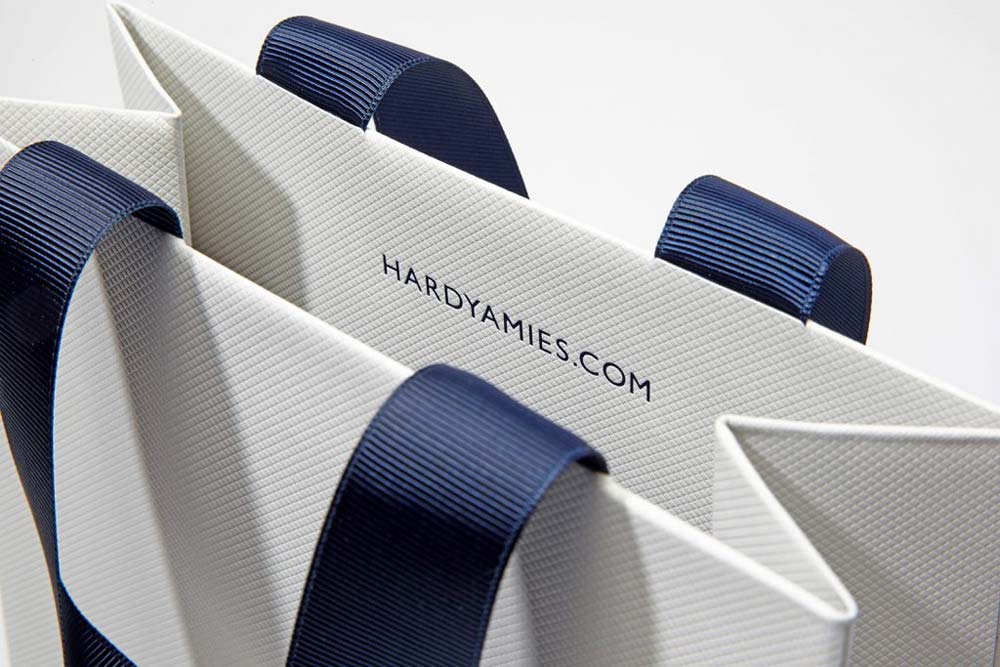
Why Luxurious and Tactile Finishes Are Gaining Popularity
Several factors are driving the rise of luxurious and tactile finishes in packaging design:
- Consumer Expectations: As consumers seek out more premium experiences, the expectation for high-quality packaging has grown. Packaging that feels luxurious and tactile is now seen as a reflection of the product’s quality. Consumers are drawn to packaging that offers an elevated experience, and tactile finishes help create that.
- Differentiation in a Crowded Market: With so many products on the market, packaging is often the first point of contact between a brand and its consumers. Luxurious and tactile finishes allow products to stand out on store shelves, offering a sensory experience that grabs attention and leaves a lasting impression.
- Increased Focus on the Unboxing Experience: The rise of unboxing videos and social media has shifted the focus to the consumer experience of opening a product. Luxurious, tactile packaging makes the unboxing process more exciting and memorable, leading to greater consumer satisfaction and increased brand loyalty.
- Brand Identity and Storytelling: Brands are using tactile finishes to enhance their storytelling and reinforce their brand identity. By choosing materials and finishes that align with the brand’s ethos—whether it’s sustainability, luxury, or craftsmanship—brands can make a stronger emotional connection with consumers.
- Sustainability Considerations: While tactile finishes are often associated with luxury, many brands are also using sustainable materials that provide a tactile experience. Recycled paper, biodegradable coatings, and eco-friendly embossing techniques allow brands to create tactile, high-quality packaging with a minimal environmental footprint.
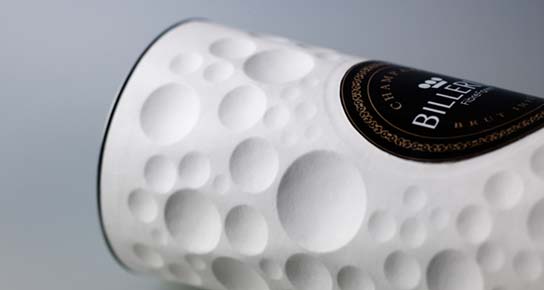
Key Features of Luxurious and Tactile Packaging Design
There are several key features that define luxurious and tactile packaging design:
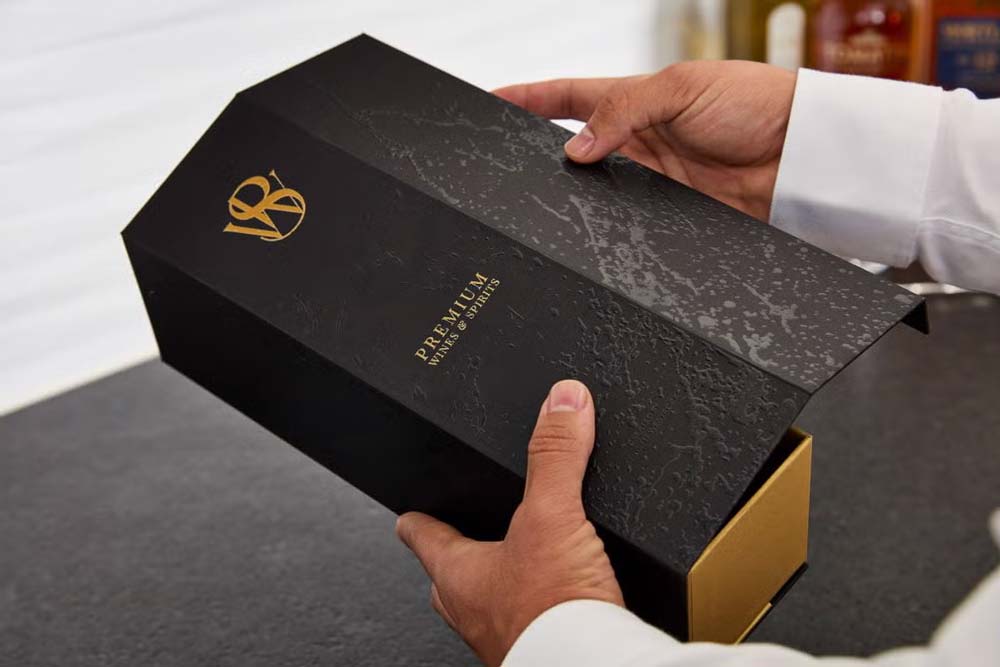
- Embossing and Debossing: Embossing creates a raised pattern or design, while debossing creates an indented effect. These techniques can be used to add texture to the packaging, making the logo, product name, or decorative elements stand out and providing a tactile experience when touched.
- Foil Stamping: Foil stamping is a popular technique that uses metallic or holographic foil to create shiny, eye-catching accents. This technique is commonly used for logos, text, and decorative elements, adding a touch of luxury and elegance to packaging.
- Soft-Touch Coatings: Soft-touch coatings are applied to packaging materials to create a smooth, velvety texture. This coating gives the packaging a premium feel, making it more pleasant to hold and adding a luxurious touch to the overall design.
- Textured Papers and Fabrics: Textured papers, such as linen or suede finishes, add a tactile element to the packaging. Fabric elements, like velvet pouches or cloth labels, can also be used to create a sense of luxury and sophistication.
- Spot UV Coating: Spot UV coating is a technique where a glossy finish is applied to specific areas of the packaging, such as logos or images. This creates a high contrast between matte and shiny surfaces, drawing attention to key design elements while adding depth and texture.
- Raised Inks and Paints: Raised inks or paints are used to create a textured, three-dimensional effect. This technique can be applied to logos, product names, and other design elements to give them a premium, tactile quality.
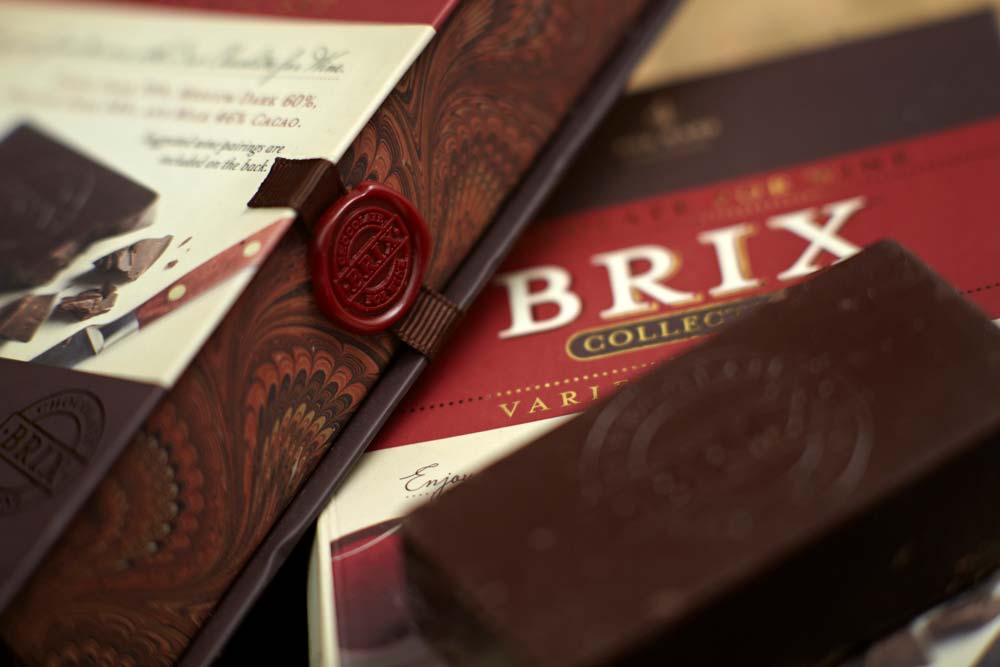
Benefits of Luxurious and Tactile Finishes for Brands and Consumers
- For Brands:
- Enhanced Brand Perception: Luxurious and tactile finishes help elevate the brand’s image, signaling quality and exclusivity. When customers feel that the packaging reflects the product’s value, they are more likely to associate the brand with luxury and sophistication.
- Increased Shelf Appeal: Packaging with tactile and luxurious finishes stands out on store shelves, capturing consumer attention and increasing the likelihood of purchase. This differentiation is particularly important in competitive markets.
- Improved Customer Experience: The tactile and sensory experience of holding the packaging adds to the overall satisfaction of the consumer. A positive packaging experience can lead to increased brand loyalty and positive word-of-mouth recommendations.
- Sustainability and Responsibility: By choosing sustainable materials with luxurious and tactile finishes, brands can offer an eco-friendly packaging solution without sacrificing quality or style, aligning with consumer demand for responsible products.
- For Consumers:
- Engaged Sensory Experience: Tactile packaging offers an additional layer of engagement for consumers, making the unboxing process more enjoyable and memorable. The feeling of premium packaging enhances the perceived value of the product.
- Trust and Quality Perception: Consumers associate high-quality packaging with high-quality products. Luxurious finishes help consumers perceive the product as premium, boosting their confidence in their purchase.
- Convenience and Functionality: While luxurious finishes are often associated with aesthetics, they also enhance the functionality of packaging. For example, embossing can improve grip, while soft-touch coatings can make packaging more comfortable to hold.
Case Studies: Leading Examples of Luxurious and Tactile Packaging
Apple:
Apple is well-known for its premium packaging, which combines sleek design with tactile finishes. The minimalist approach is paired with high-quality materials, such as smooth matte finishes and soft-touch coatings on boxes, enhancing the unboxing experience for consumers. The attention to detail in Apple’s packaging reinforces the brand’s identity as a leader in design and innovation.
Chanel:
Chanel’s packaging for its perfumes and cosmetics is a prime example of luxury and tactile finishes. The brand uses textured papers, embossed logos, and high-quality glass to create an elevated experience. The luxurious finish on the packaging enhances the perceived value of the product, aligning with Chanel’s image of timeless elegance.
Tiffany & Co.:
Tiffany & Co.’s signature blue box is a perfect example of luxurious and tactile packaging. The high-quality paper and smooth texture, paired with the iconic color, create a tactile experience that evokes exclusivity and luxury. The box itself is almost as iconic as the jewelry it contains, making it an essential part of the brand’s identity.
Lush Cosmetics:
Lush’s eco-friendly yet luxurious packaging is a great example of how tactile finishes can be both sustainable and high-end. The brand uses biodegradable materials and recycled paper, combined with colorful, embossed elements that create a visually engaging and tactile experience for consumers.
Challenges in Implementing Luxurious Finishes
While luxurious and tactile finishes offer many advantages, there are also challenges to consider:
- Cost: High-quality finishes such as foil stamping, embossing, and soft-touch coatings can increase production costs. For brands working with tight budgets, these premium finishes may not always be feasible without significantly raising the price of the product.
- Sustainability Concerns: Some luxurious finishes may involve materials or processes that are not entirely eco-friendly. Brands must balance the desire for premium packaging with their commitment to sustainability, choosing responsible materials and methods wherever possible.
- Durability: Some tactile finishes, such as embossed or raised elements, may wear over time, especially in transit or during handling. Ensuring that packaging can withstand the rigors of shipping and handling without compromising its luxurious feel is important.
- Complexity of Production: Implementing tactile finishes can be more complex and time-consuming compared to standard packaging designs. This can require specialized equipment, additional design steps, and more stringent quality control processes.
How You Can Incorporate Luxurious and Tactile Finishes in Your Designs
As a designer or brand, here’s how you can incorporate luxurious and tactile finishes into your packaging designs:
- Choose Premium Materials: Use high-quality materials like textured papers, metallic foils, and soft-touch coatings to create a premium feel. Ensure that the materials align with your brand’s values and the product’s purpose.
- Emphasize Key Design Elements: Use embossing, debossing, or foil stamping to highlight important elements such as the logo, product name, or packaging details. These features add depth and sophistication to your design.
- Balance Aesthetics and Functionality: Ensure that your tactile finishes not only look luxurious but also enhance the functionality of the packaging. For instance, adding raised elements can improve grip, while textured surfaces can provide a more tactile user experience.
- Focus on Sustainability: Incorporate eco-friendly materials like recycled paper, biodegradable coatings, and sustainable production methods to create a luxurious yet environmentally responsible design.
- Simplify the Design: Even luxurious finishes can be subtle. Keep the overall design clean and minimalist to ensure that the finishes stand out without overwhelming the consumer. Focus on quality, not quantity.
Conclusion
Luxurious and tactile finishes are a powerful tool in packaging design, providing brands with the opportunity to elevate their products and create a deeper connection with consumers. By combining high-end materials with thoughtful design techniques, brands can craft packaging that not only looks beautiful but also feels special to the touch. In an increasingly competitive market, tactile packaging enhances the unboxing experience, builds trust, and reinforces brand identity, helping products stand out and resonate with consumers on an emotional level.
As consumers seek more immersive and engaging experiences, luxurious and tactile finishes are more than just a trend—they’re a key component in creating packaging that truly adds value to the product inside.
References
Apple, 2023. Apple Packaging: The Art of Minimalism and Luxury. Available at: www.apple.com [Accessed 2 March 2025].
Chanel, 2022. Chanel Perfume Packaging: A Timeless Symbol of Luxury. Available at: www.chanel.com [Accessed 2 March 2025].
Tiffany & Co., 2023. The Iconic Tiffany Blue Box: A Tactile Experience. Available at: www.tiffany.com [Accessed 2 March 2025].
Lush Cosmetics, 2023. Lush Packaging: Sustainable Luxury for the Modern Consumer. Available at: www.lush.com [Accessed 2 March 2025].