
Minimalist & Screenless Interiors in Vehicle Design: The Future of Cabin Spaces

Introduction: The Shift to Minimalist and Screenless Interiors
The automotive industry is experiencing a shift in how vehicle interiors are designed, with minimalism and screenless interiors taking center stage. As technology advances, vehicles are becoming more connected, but at the same time, there is a growing desire to strip away unnecessary complexity and distractions in the cabin. Minimalist interiors focus on simplicity, functionality, and clean aesthetics, while screenless interiors challenge the increasing reliance on digital screens, aiming to create a more intuitive, tactile experience for drivers and passengers.
In this blog post, we will explore the concepts of minimalist and screenless interiors in vehicle design, their benefits, and how designers can implement these trends to create user-friendly, aesthetically pleasing, and less distracting cabin environments.
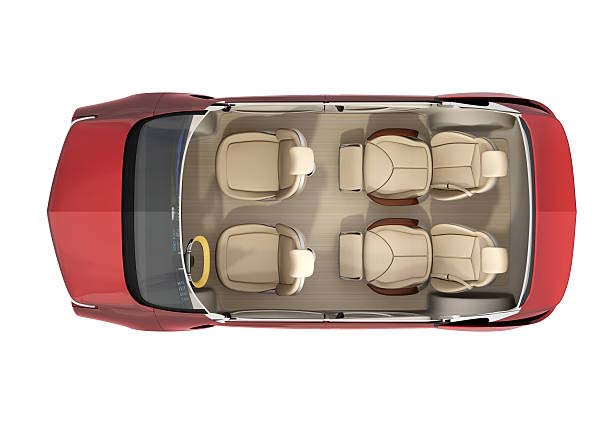
What is Minimalist Vehicle Interior Design?
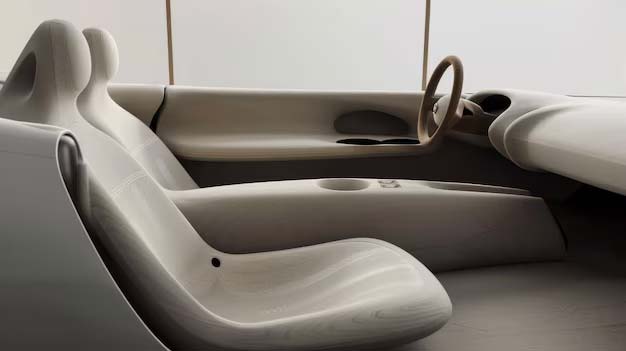
Minimalism in vehicle interiors focuses on creating a clean, uncluttered space that enhances user experience by reducing unnecessary elements. Minimalist vehicle design is driven by a desire for simplicity and functionality, with fewer visual distractions and a focus on essential features.
Key aspects of minimalist interiors include:
- Simplified Layout: A layout that eliminates excess, focusing only on essential elements for functionality.
- Uncluttered Surfaces: Surfaces that are free of unnecessary buttons, switches, or embellishments, creating a calm and serene space.
- Natural Materials: The use of wood, leather, metal, and textiles with clean lines and textures to create an inviting, tactile experience.
- Intuitive Controls: A focus on simplicity in the way functions are accessed, with an emphasis on ease of use rather than overwhelming complexity.
Minimalist interiors aim to enhance the overall user experience by allowing the driver to focus on the road while enjoying a peaceful, elegant cabin space.
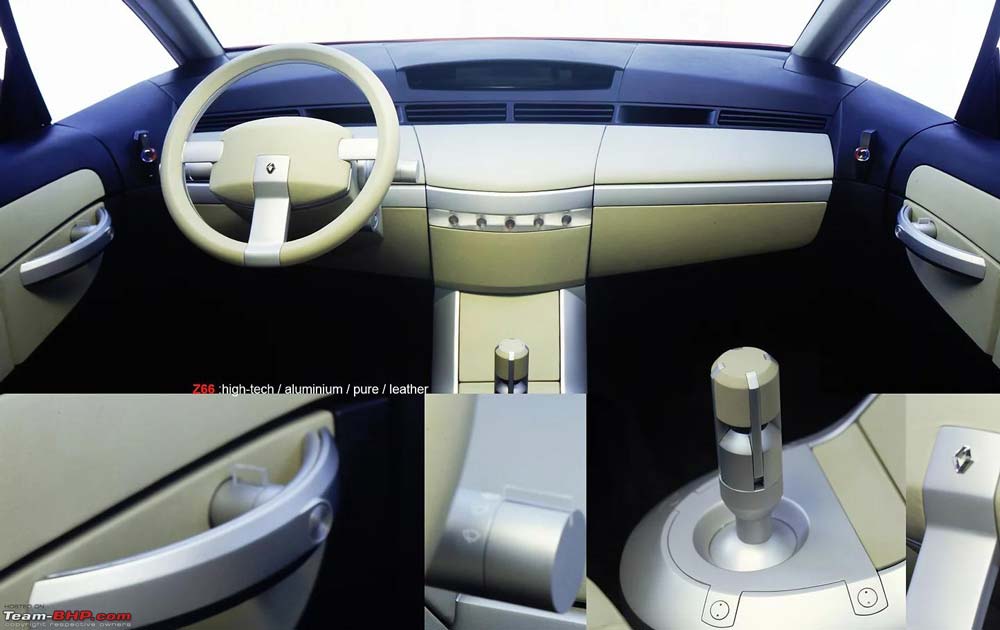
The Rise of Screenless Interiors
As vehicles become more technologically advanced, there is a growing trend of screenless interiors—designs that reduce or eliminate the use of digital screens in favor of tactile controls and physical buttons. This shift challenges the ever-growing dominance of touchscreens and digital interfaces that often distract drivers and passengers from the experience of driving.
The rise of screenless interiors is driven by several factors:
- Driver Distraction: Research has shown that the excessive use of screens in vehicles can distract drivers, leading to unsafe driving conditions.
- Desire for Tactile Interaction: Many drivers prefer physical controls that provide a sense of touch and direct feedback, rather than relying on touchscreens that can be less intuitive, especially while driving.
- Improved Focus: By removing unnecessary screens and buttons, screenless interiors promote a sense of calm and focus, allowing drivers to concentrate on the road.
While some vehicles still integrate screens for essential functions, the movement toward screenless interiors is aiming to bring back simplicity and ensure that technology complements, rather than overwhelms, the driving experience.
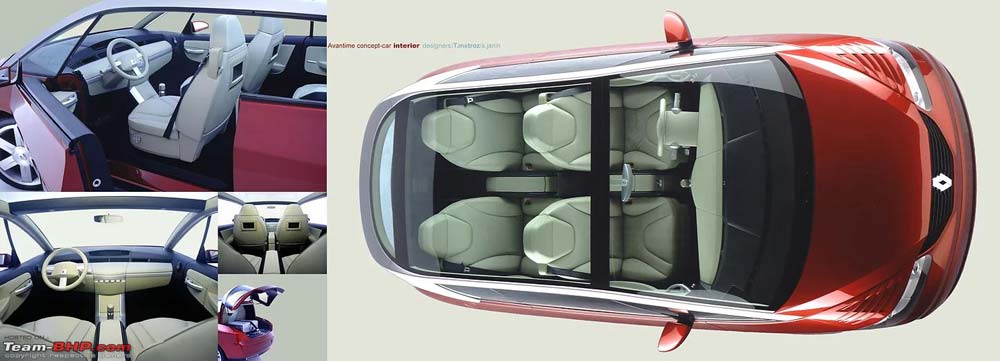
Benefits of Minimalist and Screenless Interiors
The growing trend of minimalist and screenless interiors offers several key benefits:
- Enhanced Safety: By reducing distractions, minimalist and screenless interiors can help improve driver focus and reduce the likelihood of accidents caused by screen-related distractions.
- Improved User Experience: With intuitive, tactile controls, drivers and passengers can enjoy a more satisfying interaction with the vehicle, eliminating the frustration of complicated digital menus or small touchscreens.
- Cleaner, Aesthetic Appeal: Minimalist interiors create a visually appealing space that feels less cluttered and more sophisticated, contributing to a more pleasant environment for both drivers and passengers.
- Fostering Mindfulness: A simpler, less distracting cabin promotes a sense of mindfulness and relaxation, providing a peaceful space for drivers and passengers during their commute or road trips.
- Sustainability: Fewer screens and digital components may reduce the amount of electronics and plastic used in vehicles, making for a more environmentally conscious design approach.
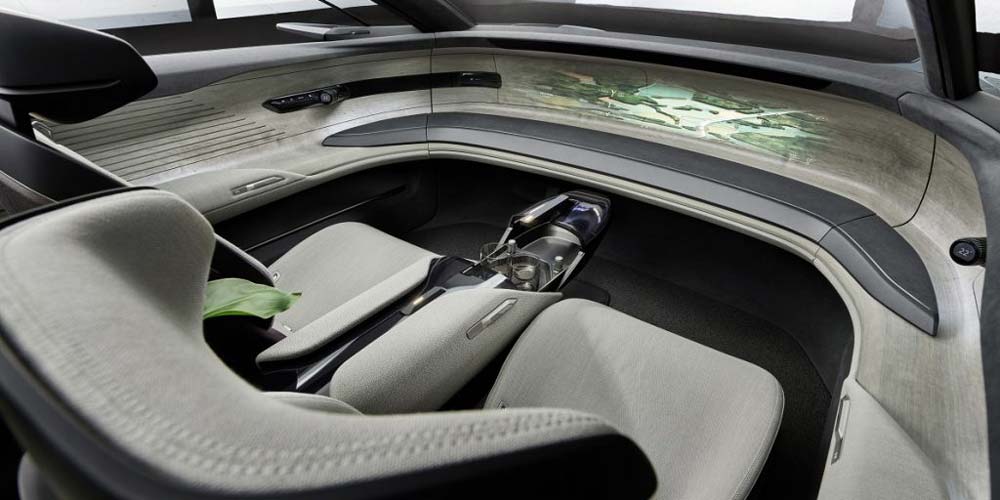
Key Elements of Minimalist Vehicle Interiors
Designing minimalist vehicle interiors requires a focus on essential elements, with an emphasis on functionality and elegance. Key components include:
- Open Space: Minimalist vehicles often feature open, airy cabin spaces, with less clutter and more room to breathe.
- Integrated Controls: Physical buttons and switches are integrated into the design in a seamless, unobtrusive manner, ensuring that functionality is easy to access without creating visual chaos.
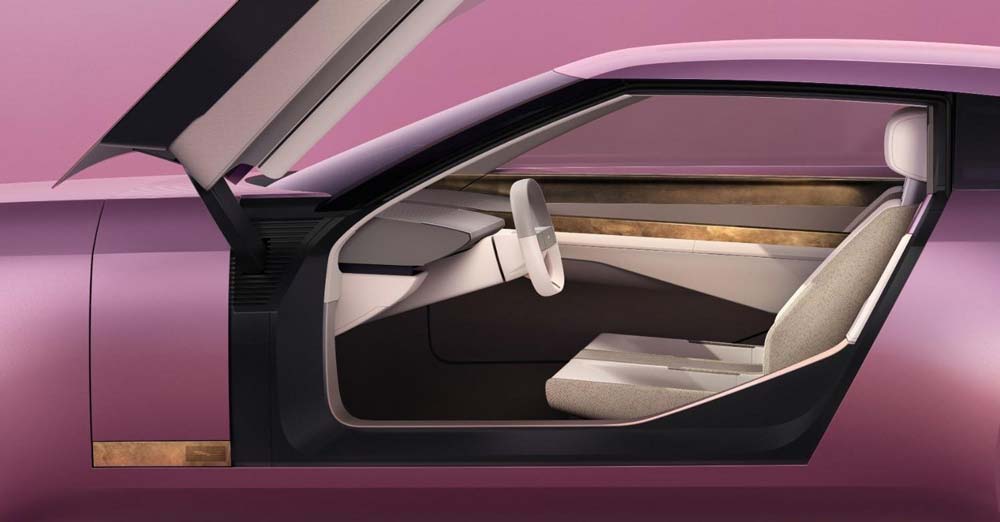
- Neutral Color Palettes: Minimalist interiors often feature neutral tones like white, gray, beige, and black, which create a calm and harmonious atmosphere. Bold accent colors may be used sparingly to add depth and personality to the space.
- Quality Materials: High-quality, durable materials such as wood, metal, and leather are used for a refined aesthetic that prioritizes craftsmanship.
- Hidden Storage: To reduce clutter, minimalist vehicle designs often include hidden compartments or clever storage solutions to keep the interior tidy.
Challenges of Implementing Minimalist and Screenless Interiors
While the trend towards minimalist and screenless interiors offers numerous advantages, there are several challenges that designers face when implementing these concepts in vehicle design:
- Balancing Functionality with Simplicity: Striking the right balance between a clean, minimalist design and the need for user-friendly controls is critical. Designers must ensure that essential vehicle functions are easily accessible while maintaining an uncluttered layout.
- Technological Integration: As vehicles become more connected and autonomous, designers must figure out how to integrate advanced digital technology into the cabin without overwhelming the design with too many screens or interfaces.
- Consumer Acceptance: Some consumers may be reluctant to embrace the screenless trend, especially as digital technology plays an increasingly prominent role in modern vehicles. Overcoming resistance to change and demonstrating the benefits of a simpler, more focused cabin environment is key to widespread adoption.
How Designers Can Create Minimalist, Screenless Vehicle Interiors
Designers can implement minimalist and screenless interiors in their work by focusing on the following strategies:
- Embrace Tactile Control: Use rotary knobs, toggle switches, and sliders for essential functions like volume control, climate settings, and navigation. These controls offer a tactile experience and can be designed to integrate seamlessly into the cabin without taking up too much space.
- Reduce Screen Dependency: While some screens are necessary for functions like navigation and media, designers can minimize screen use by integrating voice controls, gesture recognition, and head-up displays to reduce reliance on physical screens.
- Focus on Storage and Organization: To maintain a minimalist aesthetic, incorporate hidden storage solutions, such as hidden compartments or retractable surfaces, to keep the cabin free of clutter.
- Use Simple Materials and Colors: Opt for neutral materials that offer a sophisticated and timeless look. Choose textures and finishes that are clean but rich in quality to create a refined and welcoming atmosphere.
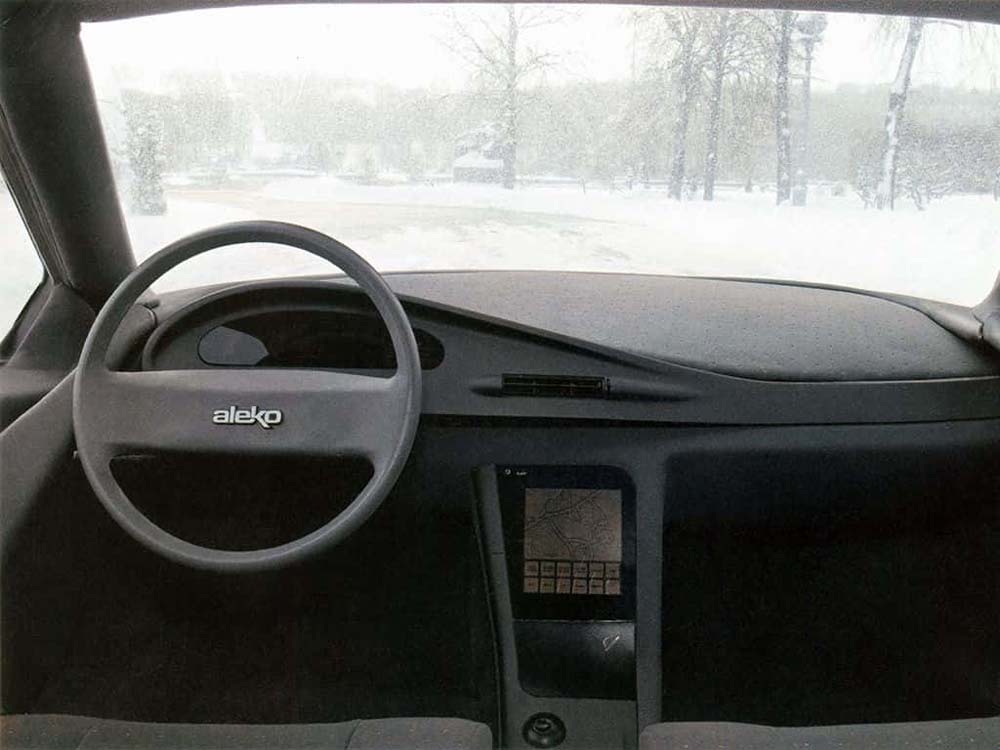
- Simplify the Dashboard Layout: A clean, unified dashboard design with integrated controls ensures that drivers can easily access essential functions without distractions. Avoid unnecessary displays or buttons that clutter the space.
- Test and Iterate: Prototyping and user feedback are crucial for creating a functional and well-designed minimalist cabin. Test various configurations to find the best balance between simplicity and user experience.
Case Studies: Successful Implementations of Minimalist and Screenless Interiors
Several automotive manufacturers have already embraced minimalist and screenless interiors to create a more enjoyable, less distracting driving experience:
- Volvo: Volvo’s S90 sedan features a minimalist interior with simple controls and a user-friendly layout. The cabin design includes a screenless dashboard with physical controls for critical functions, giving drivers a more tactile experience.
- Tesla Model 3: The Model 3 interior reflects minimalist design with a large central touchscreen that integrates multiple functions into one interface. The layout is intentionally clean, with minimal physical controls, and the cabin feels spacious and modern.
- Porsche Taycan: Porsche’s Taycan EV offers a minimalist interior with simple lines and elegant finishes. It combines touch-sensitive controls and voice commands to reduce the need for multiple screens while maintaining a high-tech feel.
The Future of Vehicle Cabin Design
The future of vehicle interior design will likely see an increasing move toward minimalism and screenless experiences, particularly as autonomous driving technology progresses. As the role of the driver changes, the cabin will evolve into a more relaxed, comfortable, and user-centered space, where design is simple, functional, and intuitive. Innovations in augmented reality, gesture controls, and adaptive interfaces will allow for a more seamless, distraction-free interaction with the vehicle, making the minimalist and screenless interior an exciting, future-forward design direction.
Conclusion: Embracing the Simple, Clean Future of Vehicle Interiors
Minimalist and screenless vehicle interiors are reshaping the driving experience, offering benefits such as improved focus, enhanced user experience, and aesthetic clarity. As automotive technology continues to evolve, designers will play a pivotal role in shaping the future of vehicle cabins by embracing these trends. By focusing on simplicity, functionality, and user-centered design, we can create vehicle interiors that are not only beautiful but also intuitive, efficient, and safe for the drivers and passengers of tomorrow.
References
- Baker, T. (2021) Minimalism in Vehicle Interiors: The Rise of Clean Design. Journal of Automotive Design, 52(3), pp. 123-135.
- Hoffmann, L. & Schmidt, A. (2020) The Future of Interior Design in Autonomous Vehicles. AutoTech Review, 39(5), pp. 56-69.
- Volvo Cars (2021) S90 Interior: A Minimalist Approach to Vehicle Design. Available at: https://www.volvocars.com.
- Lombardo, C. (2020) Automotive Design and the Return to Simplicity: The Minimalist Interior Movement. International Design Journal, 31(2), pp. 92-107.
Introduction: Motorcycle design trends have always been fluid, with styles evolving and merging over time. One of the most enduring…