
Mid-Century Modern Designs: Still Influencing Furniture Today

Introduction: The Timeless Appeal of Mid-Century Modern Design
When it comes to furniture design, few styles have achieved the level of lasting popularity and influence that Mid-Century Modern has. Born in the mid-20th century, this design movement has not only withstood the test of time but continues to shape the way furniture is designed and produced today. With its clean lines, functional forms, and focus on simplicity, Mid-Century Modern has proven to be more than just a passing trend. It remains as relevant today as it was when it first emerged, impacting everything from living room sofas to office chairs and even kitchen appliances.
In this blog post, we will explore the roots of Mid-Century Modern design, how it shaped furniture during its heyday, and why its influence is still felt in today’s design world.
What is Mid-Century Modern Design?
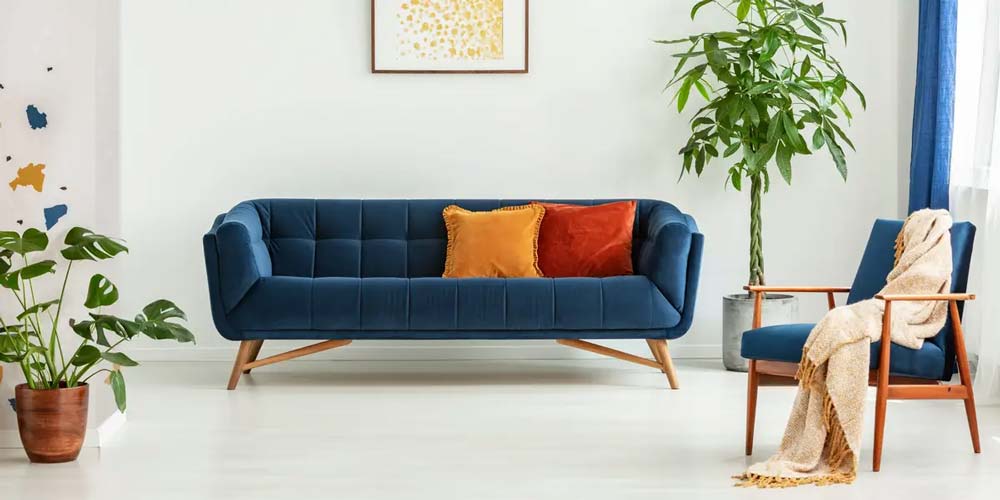
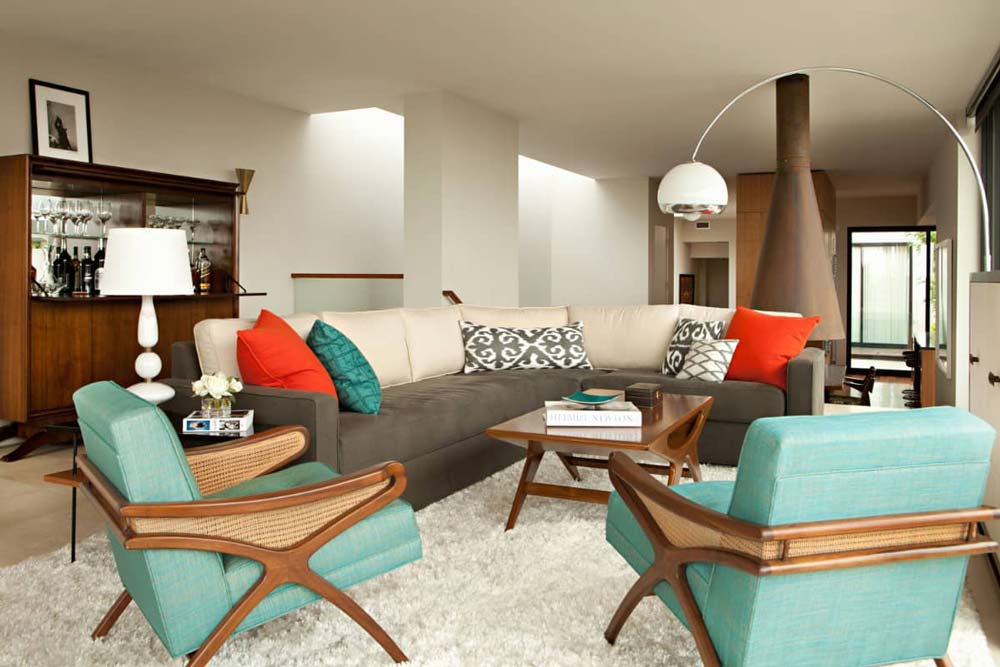
Mid-Century Modern design refers to a design movement that emerged in the mid-20th century, roughly from the 1940s to the 1960s. It was characterized by a break from the ornate, heavy furniture styles of the previous decades, embracing simplicity, minimalism, and functionality. Mid-Century Modern furniture often featured clean lines, organic forms, and a focus on the use of new materials such as molded plastic, plywood, and aluminum.
The movement was a response to the excess and elaboration of earlier design styles, like Art Deco and Victorian, and aimed to create functional, affordable, and aesthetically pleasing objects that fit into the modern, fast-paced life of the post-war world.
The Birth of Mid-Century Modern Furniture
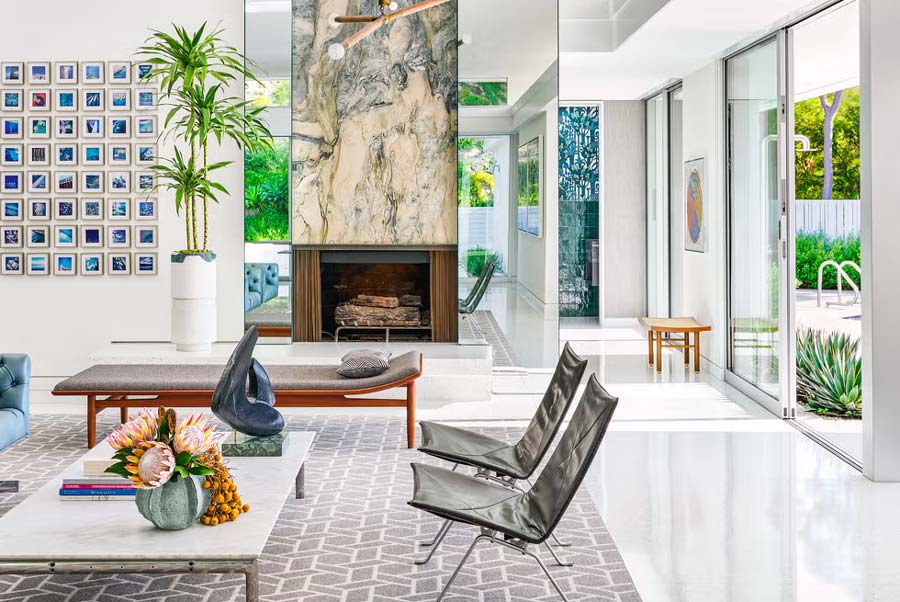
The Mid-Century Modern furniture movement was influenced by a variety of factors, including advancements in manufacturing, a renewed interest in architecture, and the need for more affordable, practical designs in the wake of World War II. As new materials became available, designers began to experiment with different ways of creating functional, streamlined furniture that could be mass-produced at an affordable cost.
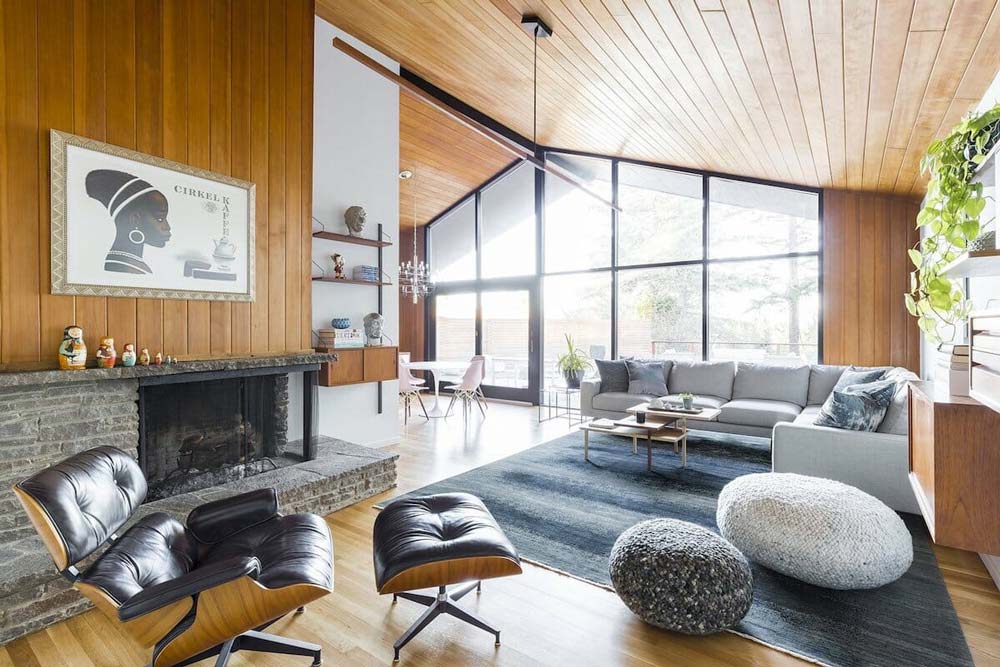
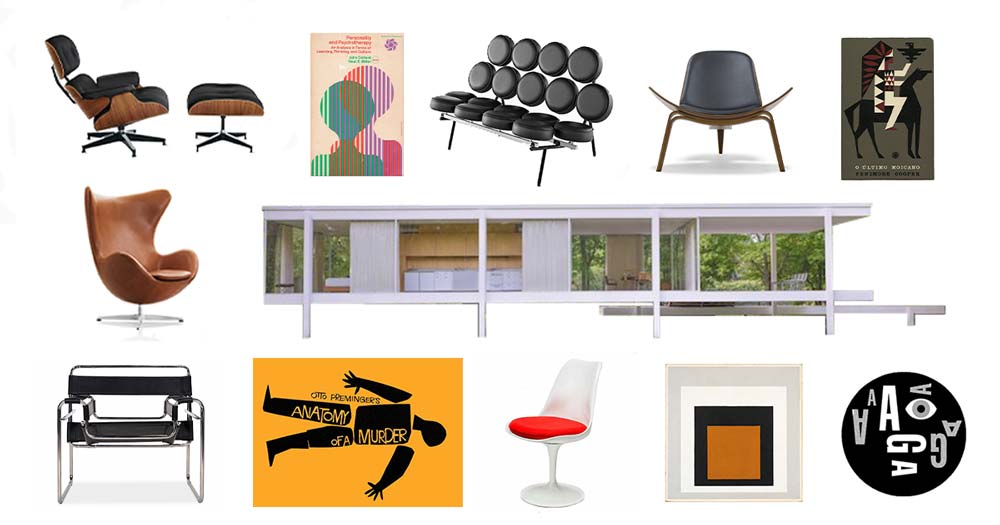
Influential designers like Charles and Ray Eames, George Nelson, and Eero Saarinen played key roles in the development of Mid-Century Modern furniture. The Eames’ iconic Lounge Chair and Ottoman, for example, became emblematic of the era’s design ethos, combining sleek aesthetics with comfort and functionality.
The International style of architecture, with its focus on clean lines, open spaces, and the use of industrial materials, also influenced the furniture of the time. This laid the foundation for the creation of furniture that was not only functional but also elegant in its simplicity, often blurring the line between art and design.
Key Characteristics of Mid-Century Modern Furniture
Several key characteristics define Mid-Century Modern furniture design, making it easily recognizable even today:
- Clean Lines and Simple Silhouettes: Mid-Century Modern furniture avoided excessive decoration, instead opting for clean, geometric shapes. There was an emphasis on simple, functional lines with minimal embellishment.
- Organic and Natural Forms: Despite its modernity, Mid-Century Modern design embraced organic shapes and forms. The use of curved lines and flowing shapes was a hallmark of the movement, especially in furniture like chairs, tables, and sofas.
- Innovative Use of Materials: Designers experimented with new materials such as molded plywood, fiberglass, and metal. These materials were used to create sleek, lightweight furniture that could be mass-produced.
- Functionality and Comfort: Furniture was designed with both aesthetics and functionality in mind. The focus was on creating pieces that were practical for everyday use while maintaining a modern, clean look.
- Integration with Space: Mid-Century Modern furniture was designed to fit seamlessly into open, airy spaces. Pieces were often low-profile, helping to create a sense of flow between rooms and creating harmony between furniture and architecture.
The Enduring Influence of Mid-Century Modern Design in Today’s Furniture
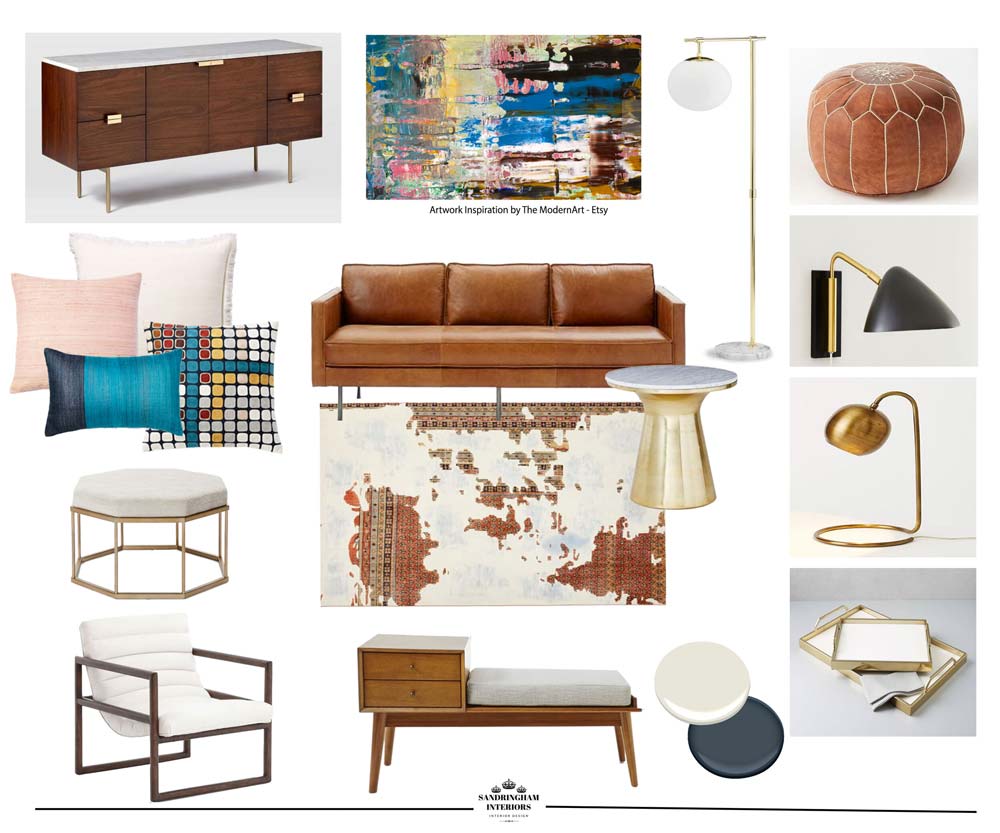
Although the Mid-Century Modern movement peaked in the 1950s and 1960s, its influence can still be seen in contemporary furniture design. Today’s designers often draw inspiration from Mid-Century Modern principles, incorporating clean lines, minimalist designs, and functional aesthetics into their pieces. Even the most modern and cutting-edge furniture lines often have traces of Mid-Century Modern elements, whether it’s in the use of organic shapes, the integration of new materials, or the embrace of simplicity.
Additionally, the ongoing popularity of vintage and reproduction Mid-Century Modern pieces has kept the movement alive and thriving in the design world. Many furniture companies today specialize in reproducing classic designs from designers like the Eameses and Saarinen, and vintage Mid-Century Modern furniture continues to be highly sought after by collectors and interior designers.
Incorporating Mid-Century Modern pieces into modern spaces creates a timeless aesthetic that blends the old and the new. The movement’s emphasis on simplicity and functionality fits perfectly with today’s desire for clean, uncluttered spaces that reflect a modern, minimalist lifestyle.
Why Mid-Century Modern Designs Remain Relevant Today
Mid-Century Modern designs have managed to remain relevant for several reasons:
- Timeless Aesthetic: The clean lines and simple forms of Mid-Century Modern furniture transcend trends. The style’s emphasis on functionality and minimalism ensures that it doesn’t look outdated, no matter how much time passes.
- Sustainability: Many modern furniture pieces are designed with the same focus on quality materials and durability that defined Mid-Century Modern furniture. This aligns with today’s growing interest in sustainability and eco-conscious design, where the focus is on creating well-made pieces that last for generations.
- Versatility: Mid-Century Modern pieces fit into a variety of interior styles, from contemporary to eclectic. Their simple, functional design allows them to complement different décor styles, making them incredibly versatile.
- Nostalgia and Popularity: The Mid-Century Modern aesthetic evokes a sense of nostalgia for a time when design was focused on simplicity and quality craftsmanship. This sense of nostalgia has helped maintain its popularity, especially among those who appreciate retro design or are drawn to vintage furniture.
Conclusion: The Lasting Legacy of Mid-Century Modern Design
Mid-Century Modern design is more than just a passing trend; it’s a lasting legacy that continues to shape furniture design today. The clean lines, functional aesthetics, and innovative use of materials that defined this era have influenced designers for decades, and its principles can still be seen in the furniture of today. Whether through vintage furniture or modern pieces inspired by the era, Mid-Century Modern design has proven to be timeless, reflecting both the artistic and functional needs of contemporary living.
The enduring appeal of Mid-Century Modern design is a testament to its ability to evolve while maintaining its core values. It’s a style that continues to inspire, proving that good design never goes out of style.
References
- Nelson, G. (2011) The Mid-Century Modern Furniture Movement: A Design Revolution. New York: Abrams.
- Eames, C. and Eames, R. (2005) Eames Design: The Mid-Century Modern Legacy. London: Phaidon Press.
- Saarinen, E. (2014) Sculptural Forms in Modern Furniture. Chicago: University of Chicago Press.
- O’Donnell, M. (2008) Mid-Century Modern Interiors: Design in the 20th Century. San Francisco: Chronicle Books.