
Retro-Future Styling: Blending Classic Aesthetics with Modern Innovation in Vehicle Design
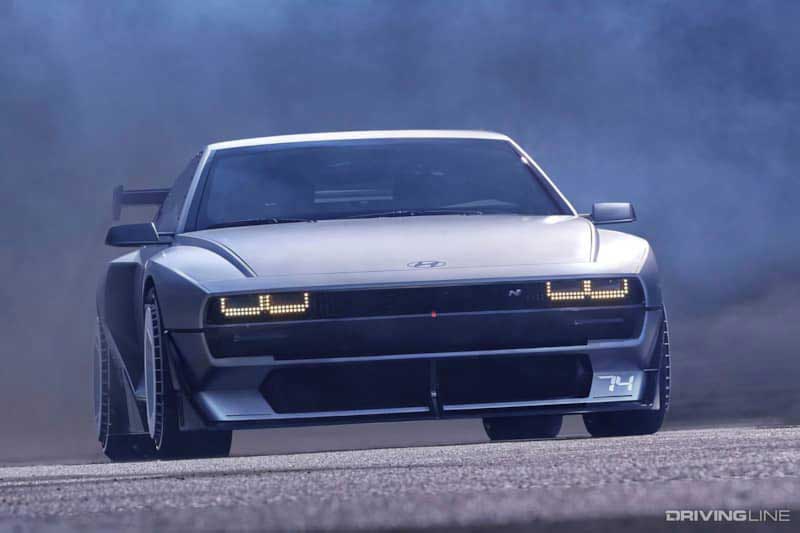
The automotive industry continuously evolves, but some of the most exciting designs come from merging past inspirations with future technology. Retro-future styling—a design approach that fuses classic aesthetics with modern advancements—is making a comeback in vehicle design. From sleek curves reminiscent of 1950s roadsters to digital dashboards inspired by sci-fi concepts, this trend bridges nostalgia and innovation. This blog explores the impact of retro-future styling on transportation design and how it shapes the next generation of vehicles.
The Essence of Retro-Future Styling in Vehicle Design

Retro-futurism is all about reinterpreting classic design elements with cutting-edge materials and technologies. This trend is influenced by:
- Mid-Century Modernism: Sleek lines, chrome accents, and minimalist design reminiscent of 1950s and 1960s automobiles.
- Sci-Fi Aesthetics: Jet-inspired tailfins, bubble canopies, and digital interfaces that reflect futuristic optimism.
- Mechanical Elegance: Exposed mechanical components with a refined, high-tech appeal.
- Analog Meets Digital: Traditional dials, toggle switches, and rotary knobs fused with modern touchscreens and AI integration.
Key Elements of Retro-Futurism in Cars

Some of the defining elements of retro-future automotive design include:
- Streamlined Silhouettes: Inspired by art deco and space-age aerodynamics.
- Futuristic LED and Neon Lighting: Paying homage to classic neon signs and retro dashboards.
- Vintage Color Palettes: Pastel blues, deep reds, and polished chrome accents.
- Classic Materials with Modern Touches: Leather upholstery, wood paneling, and brushed metal with contemporary reinforcements.
- Minimalist Yet Functional Interiors: A balance of tactile, physical controls and futuristic digital interfaces.
Benefits of Retro-Future Design in Modern Vehicles

The appeal of retro-futurism in automotive design extends beyond aesthetics:
- Emotional Connection: Taps into nostalgia while embracing modern technology.
- Brand Identity & Differentiation: Helps automakers stand out in a competitive market.
- User-Friendly Controls: Blends intuitive physical buttons with modern digital interfaces.
- Timeless Appeal: Designs remain stylish and relevant across generations.
- Cultural Influence: Connects with vintage enthusiasts and tech-forward consumers alike.
How to Integrate Retro-Futurism into Automotive Design

For automotive designers and engineers looking to incorporate retro-future styling, key approaches include:
- Reinterpreting Classic Designs: Modernizing classic car silhouettes with aerodynamic efficiency.
- Combining Old and New Materials: Integrating sustainable materials while preserving vintage textures.
- Fusing Analog and Digital Displays: Utilizing retro gauges with smart digital enhancements.
- Prioritizing Functionality: Ensuring that nostalgic elements enhance, rather than hinder, usability.
- Experimenting with Color and Texture: Reviving classic car hues with modern finishing techniques.
Case Studies: Iconic Retro-Future Cars
1. DeLorean Alpha5 – A Modern Take on an 80s Icon

DeLorean’s comeback model, the Alpha5, retains the gullwing doors of its legendary predecessor while featuring a sleek, futuristic electric powertrain.
2. Honda e – A Nostalgic Yet High-Tech City Car

Honda’s compact EV incorporates round LED headlights and a minimalist dashboard, evoking classic small cars while offering a futuristic driving experience.
3. Lancia Pu+Ra HPE Concept – Classic Meets Innovation

Lancia’s concept blends heritage design cues with next-gen electric technology, making it a stunning example of retro-futurism in luxury cars.
4. Porsche Mission R – Racing Heritage Reimagined

This concept car integrates Porsche’s vintage racing DNA with an all-electric, high-performance powertrain, proving that retro inspiration can drive innovation.
5. Ford Bronco – A Rugged Retro Revival

Ford’s reimagined Bronco retains its boxy, adventure-ready design, while incorporating modern off-road tech and digital interfaces.
Conclusion
Retro-future styling is redefining how we experience transportation, combining classic elegance with forward-thinking technology. Whether through vintage-inspired exteriors, analog-meets-digital interiors, or modernized mechanical elements, this design trend captivates both nostalgic enthusiasts and future-focused consumers. As the automotive industry evolves, embracing retro-futurism allows designers to honor the past while paving the way for innovative mobility solutions.
References
- DeLorean Motor Company. (2023). “The Alpha5 and the Future of Retro-Futurism.” Retrieved from www.delorean.com
- Honda Global. (2023). “Honda e: The Fusion of Retro and Tech.” Retrieved from www.honda.com
- Porsche AG. (2023). “Mission R and the Evolution of Performance Design.” Retrieved from www.porsche.com
- Ford Motor Company. (2023). “Reinventing an Icon: The New Ford Bronco.” Retrieved from www.ford.com
- Lancia Automobiles. (2023). “Pu+Ra HPE Concept: The Future of Heritage Design.” Retrieved from www.lancia.com