
Retro & Nostalgic Styles: The Revival of Timeless Design in the Modern Era

Introduction
In the world of graphic design, trends come and go, but some styles remain timeless, constantly being revisited and reinvented for new generations. Retro and nostalgic styles have seen a massive resurgence in recent years, driven by a collective longing for simpler times, as well as the revival of visual elements from the past. Whether it’s the bold, playful graphics of the 80s, the minimalist elegance of the 60s, or the groovy vibes of the 70s, retro-inspired design is captivating modern audiences and providing a sense of comfort and familiarity in an increasingly fast-paced world.
But what exactly makes retro and nostalgic styles so appealing in today’s digital landscape? In this blog post, we’ll explore why these styles have made a huge comeback, how they’re being used in modern graphic design, and how you can incorporate them into your own work to create memorable, visually engaging experiences.

What Are Retro and Nostalgic Styles in Graphic Design?
- Retro Styles: Retro design is a visual style that draws inspiration from the past, particularly the aesthetics of earlier decades. The term “retro” refers to any design that emulates or recreates the visual identity of a specific time period, often focusing on the 1950s through the 1980s. This style can include vintage typography, color palettes, patterns, and imagery, all designed to evoke a sense of nostalgia for a specific time or cultural moment.
- Nostalgic Styles: Nostalgia in graphic design is the use of design elements, colors, and visuals that remind people of their past experiences. It taps into emotional connections with certain eras, pop culture moments, and childhood memories. Nostalgic design elements can be playful, sentimental, or even a bit quirky, bringing back beloved memories from decades past and infusing them with a modern twist.
Both retro and nostalgic styles rely heavily on visual cues that are associated with certain time periods, including typography, iconography, textures, and patterns, all designed to create an emotional connection with the viewer.
Why Retro and Nostalgic Styles Are Gaining Popularity
The resurgence of retro and nostalgic design in graphic design can be attributed to several key factors:
- Digital Overload: In the age of technology, where everything is digital, there’s a growing desire for authenticity and simplicity. Retro design evokes a sense of warmth and familiarity, offering a counterbalance to the sleek, minimalistic design trends that dominate modern design.
- Cultural Nostalgia: Nostalgia has become a powerful force in our society. Whether it’s the resurgence of vinyl records, the reboot of classic movies and TV shows, or the return of retro video game consoles, consumers are looking for connections to the past. Graphic design has mirrored this cultural shift by reviving past visual styles to tap into people’s memories of simpler times.
- Generational Influence: Different generations—particularly Millennials and Gen Z—are embracing retro design because it reflects the cultural and aesthetic moments they associate with their youth. For example, 90s-style graphics, with their bright neon colors and playful fonts, are particularly popular with younger consumers who were born during that decade.
- Marketing and Branding: Brands are increasingly using retro and nostalgic design to connect with consumers on an emotional level. By evoking nostalgia, brands can create a sense of trust, familiarity, and emotional resonance that drives consumer loyalty. This trend is also helping brands differentiate themselves in a competitive market.

The Benefits of Using Retro and Nostalgic Styles
Incorporating retro and nostalgic design elements into your work can offer several benefits:
- Emotional Connection: Nostalgia creates an emotional bond between the design and the audience. By using retro elements that evoke memories or sentiments from a particular time, you’re able to forge a deeper connection with the viewer, which can lead to greater brand loyalty or user engagement.
- Distinctive Appeal: In a world of sleek, minimalist design, retro and nostalgic styles stand out. They offer something different—something unique and visually interesting. The bold colors, patterns, and typography from past decades capture attention in ways that modern designs sometimes can’t.
- Timelessness: Retro design never truly goes out of style. By using elements from the past, you’re tapping into something that has a lasting visual appeal. Retro styles are often based on proven design principles that have stood the test of time, meaning they remain effective and engaging even as trends evolve.
- Playfulness and Personality: Retro and nostalgic styles often bring a sense of fun and personality to a design. They can be quirky, bold, and expressive, allowing designers to infuse their work with more character and creativity.

Design Considerations for Retro and Nostalgic Styles
While retro and nostalgic design can be visually stunning, it’s important to use these elements thoughtfully to ensure they resonate with the modern audience. Here are some key considerations:
- Balance Between Modern and Retro: The challenge with using retro and nostalgic styles is striking the right balance between the past and the present. While it’s important to incorporate elements that evoke nostalgia, it’s equally important to ensure that the design feels fresh and relevant to today’s audience. Mixing retro typography with modern layouts or combining vintage color schemes with contemporary imagery can create a harmonious blend of old and new.
- Avoid Over-Reliance on Clichés: Retro and nostalgic styles are often characterized by overused tropes, like neon lights or classic 80s fonts. While these can be effective in some contexts, it’s important to avoid falling into clichés. Think creatively about how you can reinterpret classic design elements in new ways to keep the design feeling original.
- Audience Awareness: When using retro or nostalgic styles, it’s important to consider the target audience. For example, a 70s-inspired design might resonate well with Gen X, while a 90s-style design might appeal more to Millennials or Gen Z. Knowing your audience’s connection to the era you’re referencing will ensure that the design lands effectively.
- Color and Typography Choices: Colors and fonts are crucial to creating an authentic retro or nostalgic feel. Pay close attention to the hues associated with the time period you’re referencing—neon colors for the 80s, pastel shades for the 50s, or earthy tones for the 70s. Typography is equally important, with vintage fonts offering a more authentic retro feel, while modern typography can balance out the nostalgia with a fresh, contemporary vibe.

Case Studies: Successful Use of Retro and Nostalgic Styles
Coca-Cola:
Coca-Cola’s use of nostalgic design in its branding is iconic. The company often revisits its vintage logos and packaging designs, particularly during special campaigns, to evoke a sense of nostalgia. These throwback designs resonate with older generations while introducing younger audiences to the brand’s long history.
Pepsi:
Pepsi has also used retro packaging and advertisements to connect with nostalgia. Their recent reintroductions of 90s-era logos and can designs aim to tap into the cultural resurgence of that era while connecting emotionally with consumers who remember the brand’s past.
Target:
Target’s use of retro-inspired design elements in their marketing campaigns has helped the brand appeal to younger audiences who are drawn to vintage aesthetics. Their use of retro fonts, color palettes, and imagery creates an approachable, familiar feeling that connects with a broad demographic.
Nike:
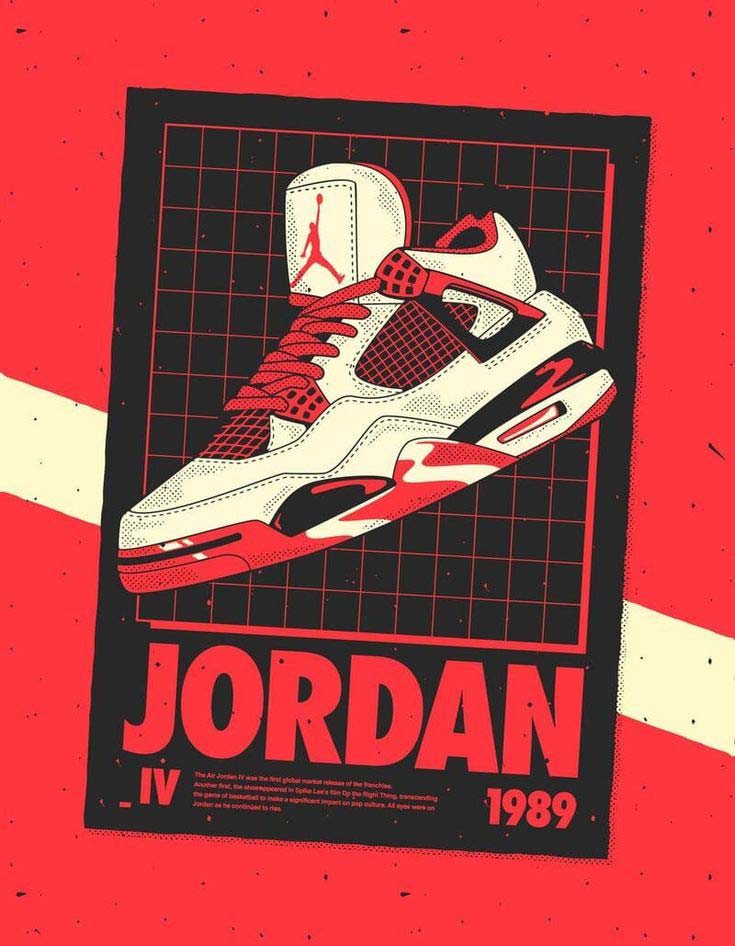
Nike frequently incorporates retro designs into their collections, particularly with their sneakers. The company draws on the bold, athletic aesthetic of the 80s and 90s, using retro fonts and vintage packaging for limited-edition sneaker releases. This nostalgic element gives their products a sense of history while making them feel fresh and desirable.
How You Can Apply Retro and Nostalgic Styles in Your Work
If you’re looking to incorporate retro and nostalgic styles into your own designs, here are a few tips:
- Research the Era: Take time to explore the design elements of the specific time period you’re referencing. Study the typography, color schemes, patterns, and general aesthetic trends of that era to ensure your design feels authentic.
- Blend with Modern Elements: While embracing the past, be sure to modernize your design with current trends or new technologies. Combining retro elements with clean lines, contemporary layouts, and innovative tools can help balance the nostalgic elements with a fresh, appealing look.
- Use Nostalgia in Branding: Retro and nostalgic designs work especially well in branding. If your client has a long history, consider referencing elements of their legacy in a new way to build a deeper connection with the audience. Play with the brand’s older logos, colors, and design cues to evoke positive memories.
- Create Playful, Bold Designs: Maximize the joy that retro and nostalgic designs bring by experimenting with bold, playful typography, bright color schemes, and quirky visuals. These elements can infuse your design with fun and energy, giving it personality and charm.

Conclusion
Retro and nostalgic styles have become a prominent design trend because they resonate with audiences on an emotional level, offering a sense of comfort, familiarity, and timeless appeal. By blending the past with the present, designers can create powerful, unique visuals that not only stand out but also connect with consumers in meaningful ways. Whether you’re evoking the boldness of the 80s or the warmth of the 60s, embracing retro design is a fantastic way to tap into the collective memory and create visually engaging, memorable designs.

References
Harrison, S., 2022. The Power of Nostalgia in Graphic Design. Visual Culture Journal, 29(3), pp. 56-70.
Nike, 2023. Nike’s Nostalgic Appeal Through Retro Design Elements. Available at: www.nike.com [Accessed 2 March 2025].
PepsiCo, 2021. Pepsi’s Use of Retro Design to Reconnect with Consumers. Available at: www.pepsico.com [Accessed 2 March 2025].
Target, 2022. Target’s Retro-Inspired Design Campaigns. Available at: www.target.com [Accessed 2 March 2025].

Introduction: The Revival of Retro Cars In a world dominated by futuristic electric vehicles, autonomous driving, and cutting-edge technology, there’s…
Introduction: The Return of Retro Posters In the digital age, where graphic design is often dominated by sleek, minimalistic interfaces…