
AI & Rider Assistance Systems: Transforming Motorcycle Safety and Performance
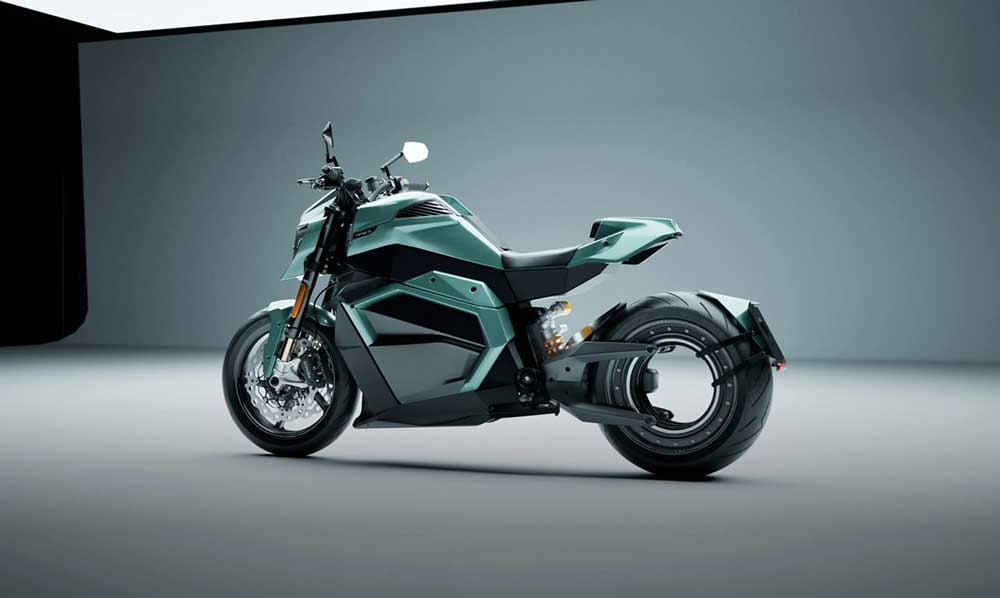
Motorcycling is one of the most exhilarating forms of transportation, offering unmatched freedom and an intimate connection with the road. However, it also comes with significant safety challenges, especially for new riders or those in adverse conditions. As technology evolves, the introduction of AI and rider assistance systems into motorcycle design is set to redefine what’s possible in terms of safety, performance, and overall riding experience. From real-time data processing to automatic adjustments, these innovations enhance the way riders interact with their motorcycles, offering smarter, safer, and more intuitive riding experiences.
In this blog post, we will explore how AI and rider assistance systems are shaping the future of motorcycling. We’ll discuss the key features of these technologies, the benefits they offer to riders, and how they are enhancing both safety and performance. Whether you’re a seasoned rider or just starting out, the rise of AI-powered systems is bound to change how you experience riding in the years to come.
What Are AI & Rider Assistance Systems?
- AI in Motorcycling: Artificial Intelligence (AI) in motorcycles refers to the use of machine learning algorithms and sensors that process real-time data to assist the rider in making decisions or enhancing the performance of the motorcycle. AI systems can analyze data from the environment, bike performance, and rider inputs to optimize riding dynamics, improving control and safety.
- Rider Assistance Systems: Rider assistance systems are technologies that help riders navigate, control, and monitor their motorcycles, often in real-time. These systems include features like traction control, adaptive cruise control, emergency braking, cornering assistance, and more. They act as a safety net for the rider, helping them maintain control and avoid accidents, especially in challenging conditions or during moments of inexperience.
Together, AI and rider assistance systems work to enhance the rider’s experience, ensuring a safer and more intuitive interaction with the motorcycle.
The Role of AI in Motorcycle Safety and Performance

AI is playing a significant role in both enhancing motorcycle safety and improving performance. By leveraging vast amounts of data and sophisticated algorithms, AI-powered systems continuously monitor various aspects of the bike’s performance, environmental conditions, and rider behavior. Key areas where AI is improving motorcycles include:
- Safety: AI-based rider assistance systems monitor the rider’s behavior, road conditions, and the bike’s mechanics, automatically adjusting settings to maintain optimal stability and traction. This real-time intervention can prevent accidents, particularly in high-risk situations, such as sudden braking or low-traction scenarios.
- Performance: AI systems optimize bike performance based on a rider’s preferences, riding conditions, and environmental factors. For example, AI can adjust suspension settings for different road surfaces or dynamically control engine power output based on throttle inputs, weather conditions, and riding style.
- Predictive Maintenance: AI can also be used to monitor the motorcycle’s health by analyzing sensors embedded in the bike. It can predict when certain components may need maintenance or replacement, reducing the likelihood of mechanical failure and ensuring better performance over time.
Key Features of AI and Rider Assistance Systems

AI and rider assistance systems incorporate a range of advanced features that improve both rider safety and performance. Some of the key features include:
- Adaptive Cruise Control: AI-powered adaptive cruise control automatically adjusts the motorcycle’s speed to maintain a safe distance from other vehicles on the road. The system can speed up or slow down the motorcycle based on the traffic ahead, ensuring a smooth and safe ride.
- Traction Control: AI-based traction control systems help maintain optimal grip on the road, adjusting power delivery to the wheels in real-time. This prevents wheel slip during acceleration, especially in low-traction conditions like wet or gravel roads, ensuring maximum stability.
- Cornering Assistance: Cornering assistance uses AI to optimize the motorcycle’s stability while cornering. It can adjust the suspension, braking, and throttle response to ensure the rider stays in control when leaning into turns, reducing the risk of losing traction.
- Emergency Braking and Collision Avoidance: AI-powered emergency braking systems can automatically apply brakes if the system detects an impending collision with an object or vehicle. By analyzing surrounding traffic and road conditions, the system can mitigate or even prevent accidents by stopping the bike in time.
- Blind Spot Detection: Advanced AI systems monitor the rider’s blind spots using sensors and cameras, alerting them to vehicles or obstacles that may not be visible in their mirrors. This increases rider awareness and helps prevent accidents during lane changes.
- Adaptive Suspension: AI-driven suspension systems continuously adjust based on rider weight, road conditions, and riding style, providing optimal comfort and performance. The system can adjust the damping force in real-time to keep the ride smooth and responsive, no matter the terrain.
- Smart Helmet Integration: Some AI systems integrate with smart helmets, displaying real-time data such as speed, navigation instructions, and hazard alerts directly onto the helmet visor. This allows riders to keep their eyes on the road while receiving important information.
Benefits of AI and Rider Assistance Systems for Riders

The integration of AI and rider assistance systems into modern motorcycles offers several significant benefits:
- Increased Safety: The primary benefit of AI and rider assistance systems is improved safety. These systems reduce the risk of accidents by offering real-time interventions, such as automatic braking or traction control. By providing the rider with additional support in critical situations, AI enhances safety without the rider needing to take direct action.
- Enhanced Comfort: AI-driven suspension adjustments and adaptive cruise control systems ensure a smoother, more comfortable ride, especially on long journeys or rough terrains. These systems allow riders to focus on the road without worrying about constantly adjusting the bike’s settings.
- Better Control and Confidence: AI assistance offers better control by optimizing bike performance according to the rider’s behavior and road conditions. Riders can feel more confident when navigating through challenging scenarios, knowing that the bike is working to keep them stable and in control.
- Optimized Performance: AI systems continually monitor the bike’s performance, adjusting settings to provide the best possible riding experience. Whether it’s optimizing fuel efficiency, enhancing handling, or ensuring smooth acceleration, these systems provide riders with an optimized and enjoyable ride.
- Convenience and Ease of Use: Many of the features powered by AI work in the background, making the motorcycle easier to ride, especially for less experienced riders. Features like adaptive cruise control, emergency braking, and cornering assistance reduce the mental load on riders, allowing them to focus on enjoying the ride.
5. Case Studies: AI Integration in Modern Motorcycles
Honda CRF1100L Africa Twin:
Honda’s CRF1100L Africa Twin features advanced AI-based technologies, including an advanced electronic throttle and ride-by-wire system that allows for real-time adjustment of engine performance and suspension. The motorcycle also integrates a DCT (Dual Clutch Transmission) system, which automatically shifts gears for smoother acceleration and better control, particularly in off-road environments.

BMW R1250GS:
The BMW R1250GS incorporates multiple rider assistance systems, including dynamic traction control, hill-start assist, and semi-active suspension adjustment. Its “Ride Modes Pro” feature, powered by AI, allows the bike to adjust its settings depending on road conditions and the rider’s preferred style, ensuring maximum performance and stability.

Yamaha FJR1300AE:
Yamaha’s FJR1300AE sport-touring bike uses AI-driven suspension systems to adjust damping based on load and riding conditions. The bike also integrates an electronic cruise control system, improving rider comfort and convenience on long-distance rides.

Harley-Davidson LiveWire:
Harley-Davidson’s electric LiveWire motorcycle features AI-powered traction control and regenerative braking. The system continuously analyzes road conditions and adjusts the bike’s performance for maximum efficiency and safety, especially in wet or slippery conditions.

Challenges and Considerations in Implementing AI Systems

While AI and rider assistance systems offer significant advantages, there are several challenges that need to be addressed:
- Cost: The integration of AI and advanced assistance systems can increase the overall cost of a motorcycle, making it less accessible to budget-conscious consumers. However, as technology improves and becomes more widespread, prices are likely to decrease over time.
- Complexity of Integration: The integration of AI and rider assistance systems requires careful planning and design to ensure that the technology doesn’t compromise the bike’s performance or handling. Manufacturers must also ensure that these systems don’t add unnecessary weight or complexity to the bike.
- Reliability and Safety: As with any technology, AI systems must be reliable and fail-safe. Riders need to trust that the systems will work when needed, particularly in emergency situations. Manufacturers must conduct extensive testing to ensure that AI systems perform correctly and safely in all scenarios.
- User Adoption: Riders who are used to traditional motorcycles might find it difficult to adapt to AI-driven features. Education and clear user interfaces will be essential for encouraging adoption and ensuring that riders feel confident using these new technologies.
How You Can Incorporate AI and Rider Assistance in Your Motorcycle Designs

If you’re a designer or engineer working on motorcycle development, here are a few ways you can incorporate AI and rider assistance systems into your designs:
- Focus on Data Integration: Use AI to process and integrate data from various sensors (e.g., speed, throttle, suspension) to adjust performance in real-time, optimizing the ride for different conditions and rider preferences.
- Design for Ease of Use: Ensure that AI systems are intuitive and easy to use. Develop interfaces that allow riders to seamlessly interact with the technology, providing them with valuable information without distraction.
- Test and Refine for Safety: Conduct thorough testing to ensure that AI systems reliably improve safety and performance without introducing new risks. Prioritize fail-safe mechanisms to guarantee rider protection in all scenarios.
- Develop Rider-Centric Features: Consider the needs of the rider when designing AI systems. Features such as adaptive suspension, cornering assistance, and emergency braking can significantly enhance the rider’s experience, ensuring they feel in control and confident.
Conclusion

AI and rider assistance systems are revolutionizing the motorcycle industry by enhancing safety, comfort, and performance. These technologies enable motorcycles to be more intelligent and responsive, creating an experience that is both safer and more enjoyable. As the technology continues to evolve, AI-powered systems will play an even more significant role in the design of motorcycles, offering a smarter, more connected future for riders. By integrating these systems, manufacturers can provide riders with a new level of control, confidence, and performance, making the road safer for everyone.
References
Honda, 2023. CRF1100L Africa Twin: The Future of Adventure Motorcycling. Available at: www.honda.com [Accessed 2 March 2025].
BMW, 2022. R1250GS: Ride Smart with AI Integration. Available at: www.bmw.com [Accessed 2 March 2025].
Yamaha, 2022. FJR1300AE: AI-Enhanced Touring Motorcycle. Available at: www.yamaha-motor.com [Accessed 2 March 2025].
Harley-Davidson, 2023. LiveWire: Electric Performance with AI Features. Available at: www.harley-davidson.com [Accessed 2 March 2025].
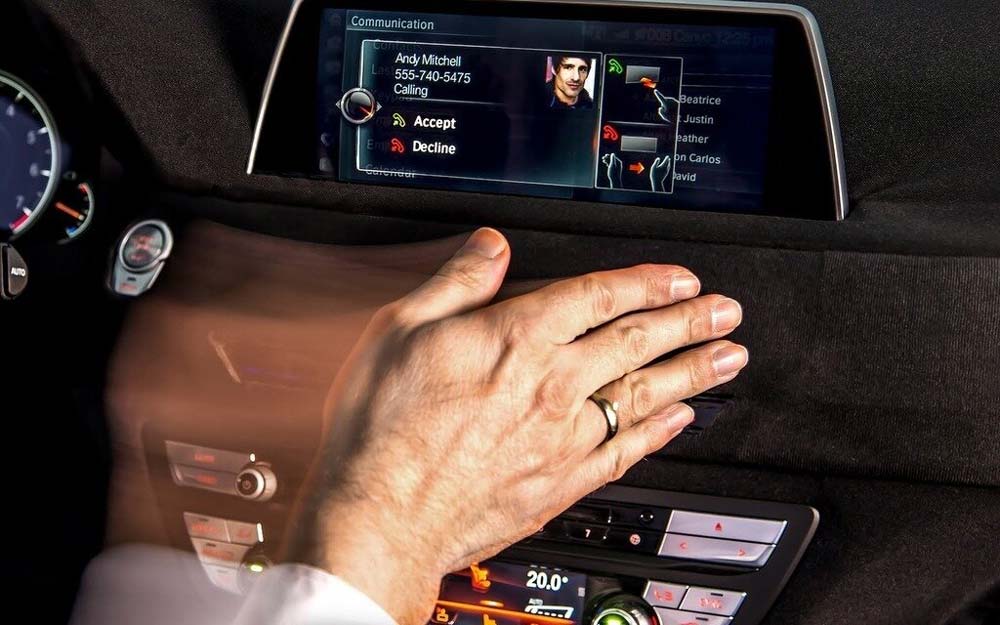
Introduction: The Rise of Digital & AI-Enhanced Vehicle Interiors Automotive interiors are undergoing a technological revolution, transforming from traditional, static…
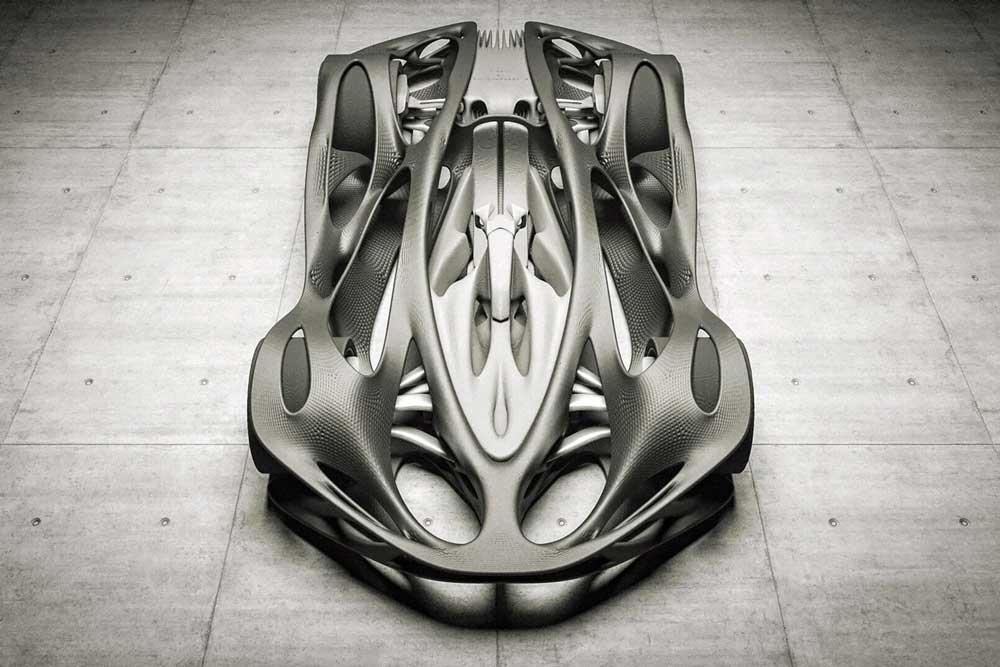
The world of vehicle design is undergoing a dramatic transformation, driven by the rise of artificial intelligence (AI) and generative…